
Fly Control
- Home
- Fly Control
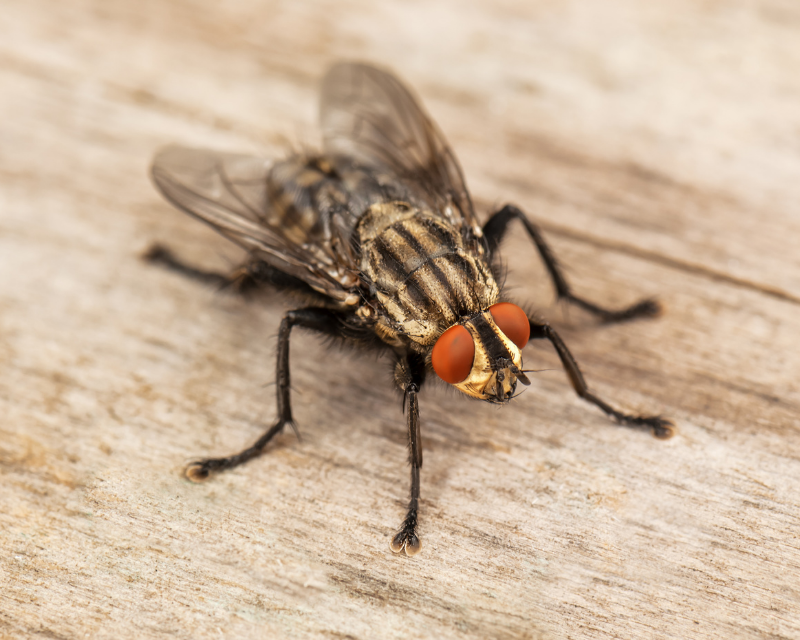
Professional Fly Control for Homes & Businesses
Cornhusker Pest Defense provides professional fly control designed to identify breeding sources, reduce active populations, and help protect homes and businesses from persistent fly activity. Flies can develop around garbage, drains, organic debris, food preparation areas, animal waste, moisture, and other materials depending on the species involved. Simply eliminating adult flies may provide temporary relief without addressing the source producing continued activity. Our approach begins by evaluating where flies are concentrated, what conditions may be supporting breeding, and how insects are entering or moving throughout the property. Kitchens, waste areas, drains, doors, windows, storage locations, and exterior zones may all require attention depending on the situation. Treatment can be combined with sanitation, source removal, exclusion, and practical environmental improvements to achieve more complete control. Cornhusker Pest Defense helps Central Nebraska homeowners and commercial properties manage fly problems using pest control strategies based on the conditions driving the infestation. Whether flies are affecting food areas, workspaces, residential rooms, or exterior zones, our goal is to reduce active populations, address breeding conditions, and support longer-lasting protection against recurring fly problems.
Finding and Correcting Fly Breeding Sources
Effective fly control begins with understanding where new flies are developing. Cornhusker Pest Defense inspects areas associated with organic material, moisture, waste, drains, food residue, and other conditions that can support breeding. We also consider doors, windows, screens, and exterior activity that may contribute to insects entering the building. Once likely sources and activity zones are identified, treatment can be focused where it provides the greatest value. Sanitation and source removal are particularly important because adult control alone may not stop new insects from emerging. Addressing both breeding conditions and active flies supports more complete and sustainable pest management.
- Identify likely fly breeding and feeding sources.
- Inspect drains, waste areas, and moisture conditions.
- Target active fly resting and travel zones.
- Evaluate doors windows and insect entry routes.
- Recommend sanitation supporting continued fly prevention efforts.
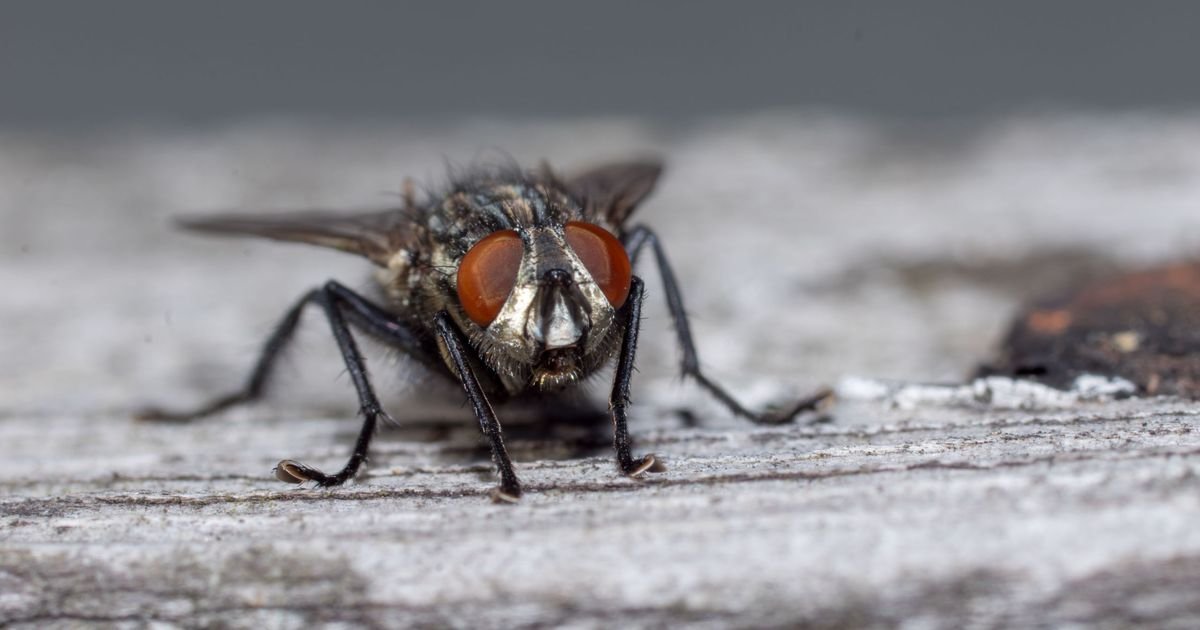
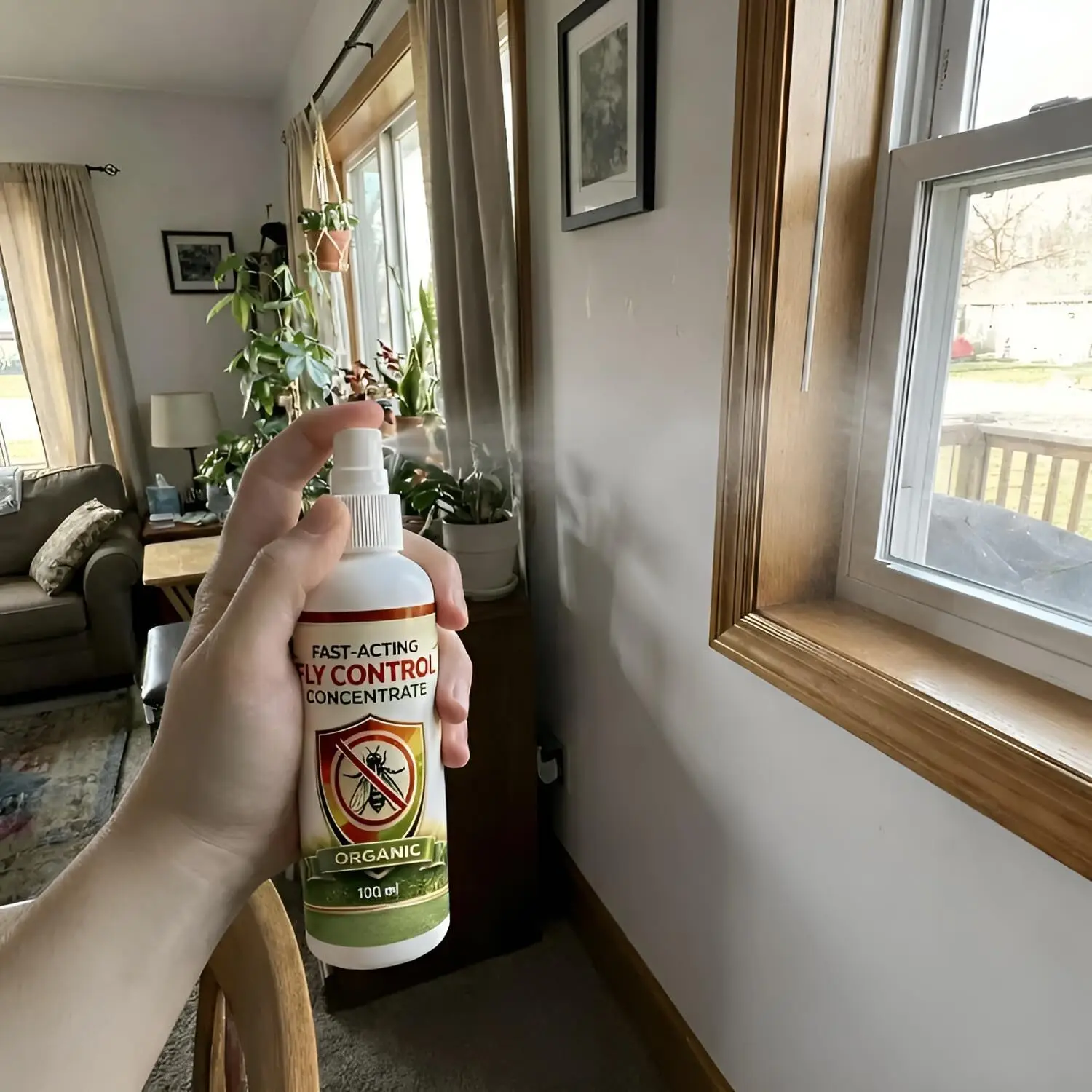
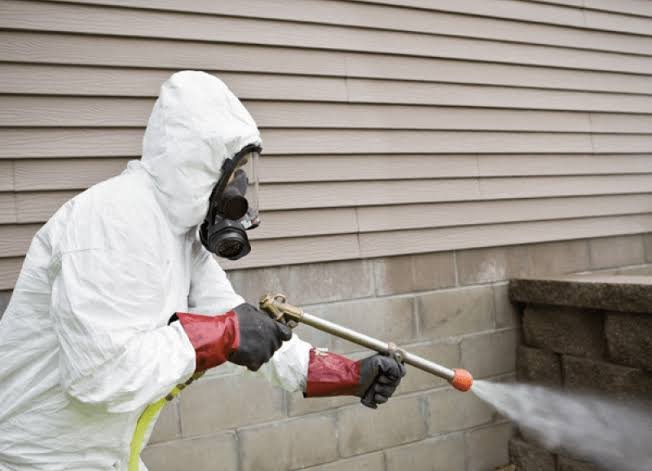
Better Fly Management for Cleaner Indoor Spaces
Persistent fly activity can interfere with comfort, cleanliness, and normal operations in both residential and commercial environments. Cornhusker Pest Defense provides control based on the species, source, and areas affected rather than relying solely on treatment of flying adults. Correcting waste, moisture, food, drain, or sanitation conditions can be a critical part of reducing repeated activity. Treatment may also focus on resting areas and entry locations when appropriate. Our goal is to reduce existing populations while making the property less supportive of continued breeding and entry. This comprehensive approach helps create cleaner spaces and more dependable protection from recurring fly problems throughout the property.
Frequently Asked Questions
Adult flies may be replaced quickly when an active breeding source remains nearby. Depending on the fly species, developing insects can be associated with drains, waste, food residue, organic debris, moisture, or animal material. Finding and correcting the source is often essential for achieving longer-lasting fly control.
Common areas include garbage containers, drains, food residue, spills, damp organic material, animal waste, and exterior waste locations. The correct source depends on the fly species. Inspecting where adults gather most heavily and identifying suitable breeding materials can help narrow down the origin of recurring activity.
Yes. Open doors, damaged screens, gaps, and frequently used entrances can allow outdoor flies into buildings. In some situations, activity may result mainly from outside entry rather than indoor breeding. Improving screens and access points can help supplement treatment when exterior flies are contributing to the problem.
Sanitation removes food, waste, moisture, and organic material that many flies need for feeding or breeding. Cleaning alone may not solve every infestation, but it can eliminate important supporting conditions. Combining source removal, sanitation, exclusion, and targeted treatment generally provides a more complete fly management approach.
Request a Service
Need Professional Pest Control Help?
Contact Cornhusker Pest Defense today for reliable pest control, rodent management, and targeted solutions tailored to your property needs.