
Cricket Control
- Home
- Cricket Control
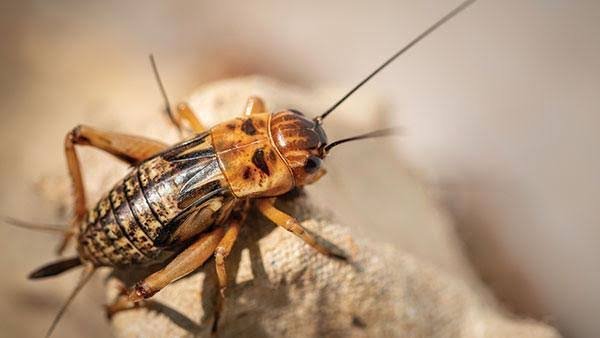
Professional Cricket Control for Homes & Businesses
Cornhusker Pest Defense provides professional cricket control for properties dealing with persistent chirping, indoor sightings, and seasonal activity around foundations, basements, garages, and exterior areas. Crickets can enter through gaps beneath doors, cracks, damaged screens, foundation openings, and other accessible areas while searching for shelter and favorable conditions. Once indoors, they may hide in dark protected spaces and become especially noticeable at night because of their distinctive sound. Our service begins by determining where cricket activity is concentrated and evaluating likely access points, hiding areas, moisture conditions, and exterior zones that may be contributing to repeated entry. Treatment can then be directed toward appropriate locations based on current activity. Property maintenance measures such as improving door seals, reducing accessible gaps, managing moisture, and limiting heavy pest harborage close to the structure can also support prevention. Cornhusker Pest Defense helps Central Nebraska homeowners and businesses address cricket problems with targeted pest management designed to reduce active populations and limit future entry. Whether crickets are affecting a basement, garage, commercial area, or multiple interior rooms, we focus on practical control and the conditions that allow the pest problem to continue.
Finding Where Crickets Enter and Hide
Cricket control is more effective when treatment addresses the places these insects use for shelter and access. Cornhusker Pest Defense evaluates foundation edges, doorways, windows, basements, garages, storage areas, utility spaces, and other locations associated with cricket activity. Exterior conditions around the building can also influence how many crickets move toward the structure. Targeted treatment can be combined with practical exclusion and moisture-management recommendations where appropriate. By identifying common travel routes and hiding areas, our approach goes beyond removing individual crickets after they appear. The objective is to reduce current activity while making future entry and indoor survival more difficult.
- Identify active cricket hiding and travel areas.
- Inspect doors, foundations, and common entry points.
- Target interior and exterior cricket activity zones.
- Evaluate moisture and shelter conditions around property.
- Recommend practical steps for reducing future entry.
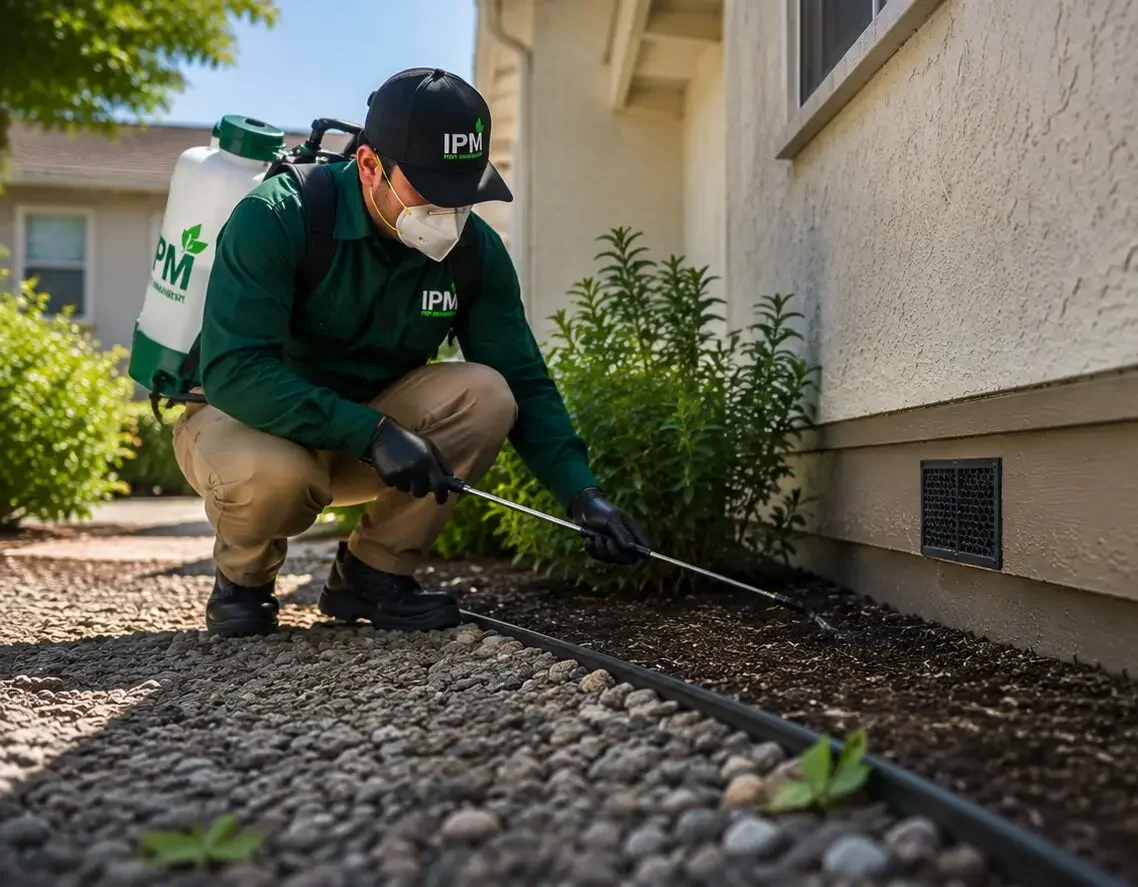
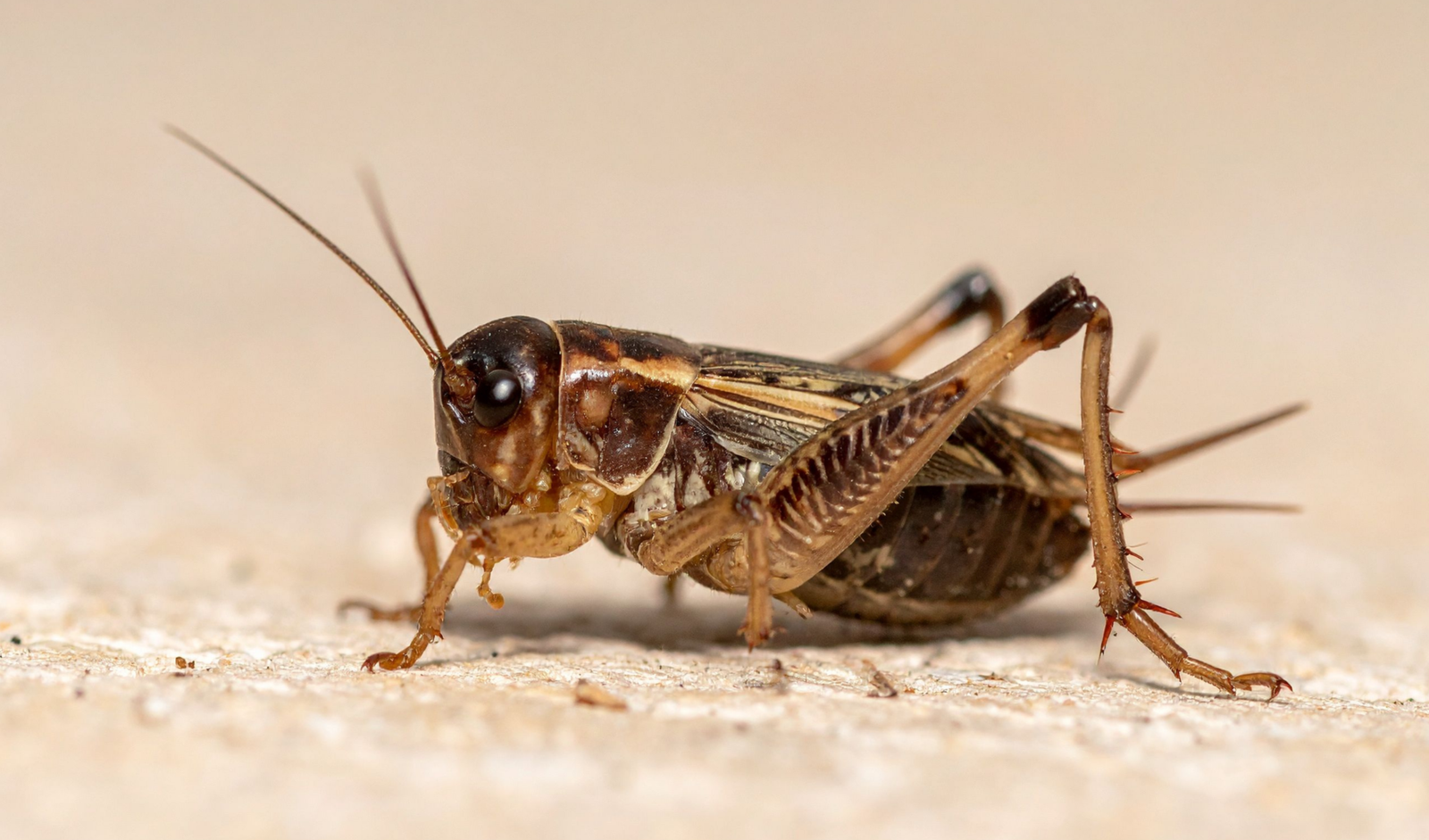
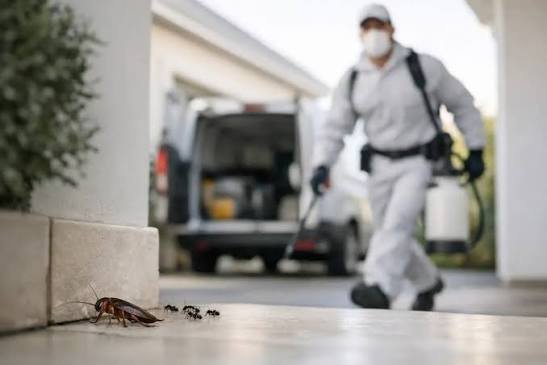
Quieter Spaces with Reliable Cricket Management
Persistent crickets can become disruptive when repeated chirping or indoor sightings affect living and working spaces. Cornhusker Pest Defense provides service focused on the specific areas where cricket activity is occurring. Treatment may involve basements, garages, exterior foundations, storage areas, entry points, and other protected locations depending on the property. Reducing accessible openings and unfavorable conditions around the structure can also help limit recurring activity. Our goal is to reduce established cricket populations and support better prevention so homes and businesses experience fewer unwanted insects indoors. A targeted approach provides more dependable control than repeatedly removing individual crickets without addressing their source.
Frequently Asked Questions
Crickets may move indoors seeking shelter, warmth, moisture, or protected conditions. They can enter through gaps under doors, cracks, damaged screens, foundation openings, and other accessible areas. Seasonal changes and large outdoor populations may increase the number of crickets appearing around homes, garages, and commercial properties.
Crickets often hide in dark, quiet, protected locations such as basements, garages, storage rooms, utility spaces, beneath objects, and along cracks or wall edges. Activity may become more noticeable at night. Identifying repeated hiding or chirping locations can help determine where treatment should be focused.
Yes. Improving door sweeps, screens, cracks, and other accessible openings can help reduce cricket entry. Exclusion is especially useful when combined with treatment of active populations and management of outdoor shelter or moisture conditions. Preventive repairs make it harder for new crickets to move into interior spaces.
Crickets can hide inside cracks, behind stored materials, beneath equipment, along wall edges, or in other protected areas where they are difficult to see. Their sound may also seem to come from a different location. Inspection of likely hiding zones can help narrow down active areas.
Request a Service
Need Professional Pest Control Help?
Contact Cornhusker Pest Defense today for reliable pest control, rodent management, and targeted solutions tailored to your property needs.