Earwig Control
- Home
- Earwig Control
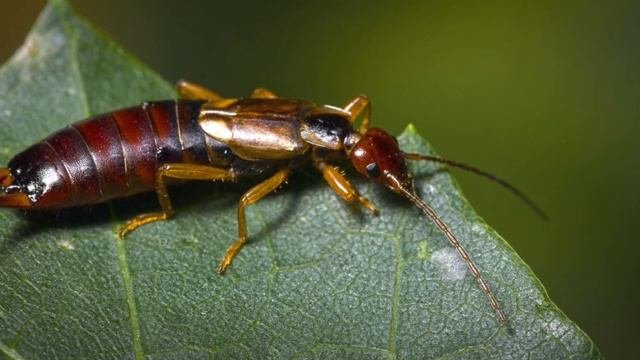
Professional Earwig Control for Indoor & Outdoor Areas
Cornhusker Pest Defense provides professional earwig control designed to reduce unwanted activity around homes, businesses, gardens, foundations, basements, and moisture-prone areas. Earwigs often shelter in cool, dark, damp environments beneath mulch, leaves, landscaping materials, boards, stones, and other protected locations. When conditions change or outdoor populations increase, they may move toward buildings and enter through small gaps around doors, windows, foundations, and other openings. Our service begins by evaluating where earwigs are being found and identifying moisture, shelter, landscaping, and access conditions that may be supporting the problem. Treatment can then be focused on appropriate interior and exterior areas where activity is concentrated. Because heavy moisture and dense organic material close to a structure can provide favorable harborage, practical property adjustments may also help reduce recurring pest pressure. Cornhusker Pest Defense helps Central Nebraska property owners manage earwig problems through targeted treatment, inspection, and prevention recommendations. Whether earwigs are appearing in bathrooms, basements, entryways, gardens, or multiple areas, our goal is to reduce current populations while making the surrounding environment less favorable for continued pest activity.
Reducing Moisture and Earwig Hiding Areas
Earwigs are strongly associated with protected spaces where moisture and shelter are readily available. Cornhusker Pest Defense evaluates mulch beds, leaf debris, foundation edges, landscaping materials, basements, bathrooms, and other locations where earwigs may remain hidden. Treatment can target active areas while property recommendations may focus on reducing excessive moisture and unnecessary harborage near the structure. We also inspect accessible gaps that may allow outdoor populations to move indoors. Addressing these conditions is important because simply removing individual earwigs does not stop additional pests from entering. A combined approach can provide more reliable control throughout affected interior and exterior areas.
- Inspect damp locations where earwigs commonly shelter.
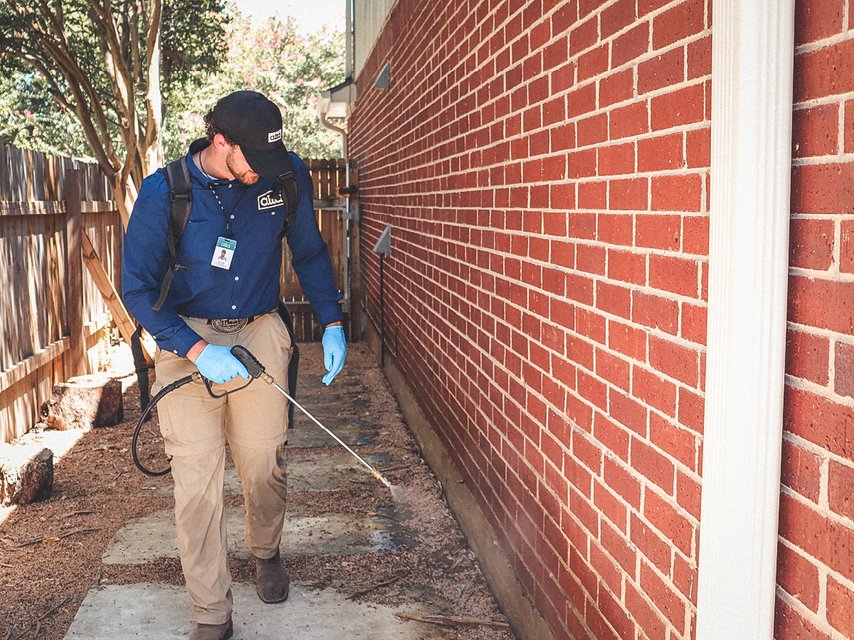
- Target exterior harborage and active pest areas.
- Identify gaps allowing earwigs to enter indoors.
- Reduce moisture conditions encouraging recurring earwig activity.
- Evaluate mulch, debris, and foundation shelter zones.
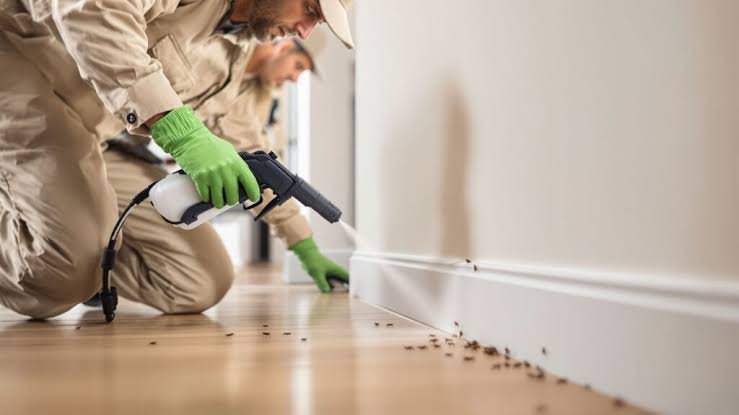
Practical Earwig Protection for Your Property
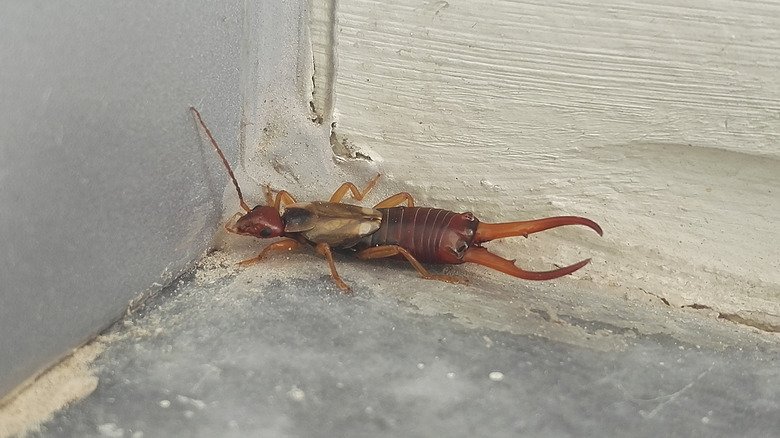
Earwig problems can become noticeable when outdoor populations move into buildings or gather around moisture-rich landscape areas. Cornhusker Pest Defense provides treatment tailored to the locations where activity is occurring, whether around exterior foundations, gardens, basements, bathrooms, entryways, or other affected spaces. By combining targeted pest control with recommendations for managing moisture, debris, and access points, we help reduce the conditions supporting repeated activity. The objective is not only to control the earwigs currently present but also to limit opportunities for additional insects to establish around the property. This provides a more complete approach to seasonal and recurring earwig concerns.
Frequently Asked Questions
Earwigs may move indoors when outdoor conditions change or when they find moisture and protected shelter around a building. Gaps beneath doors, foundation cracks, windows, and other openings can provide access. Heavy outdoor populations near damp landscaping may increase the likelihood of indoor sightings.
They commonly shelter in dark, damp areas beneath mulch, leaves, boards, stones, landscape materials, containers, and other objects that retain moisture. Earwigs may also gather close to foundations. Reducing excessive moisture and unnecessary shelter around structures can help make these areas less favorable.
Yes. Earwigs generally favor cool, protected environments with moisture. Damp landscaping, irrigation, leaks, basements, bathrooms, and organic debris can contribute to suitable conditions. Identifying and reducing unnecessary moisture can support pest treatment and help limit the areas where earwigs are likely to remain active.
Manage excessive moisture, remove unnecessary leaf or landscape debris near foundations, improve accessible door and window gaps, and reduce sheltered areas where earwigs can hide. Professional treatment can target active pest zones while these preventive changes make the property less supportive of future earwig populations.
Request a Service
Need Professional Pest Control Help?
Contact Cornhusker Pest Defense today for reliable pest control, rodent management, and targeted solutions tailored to your property needs.