
Mice Control Central Nebraska
- Home
- Mice Control Central Nebraska
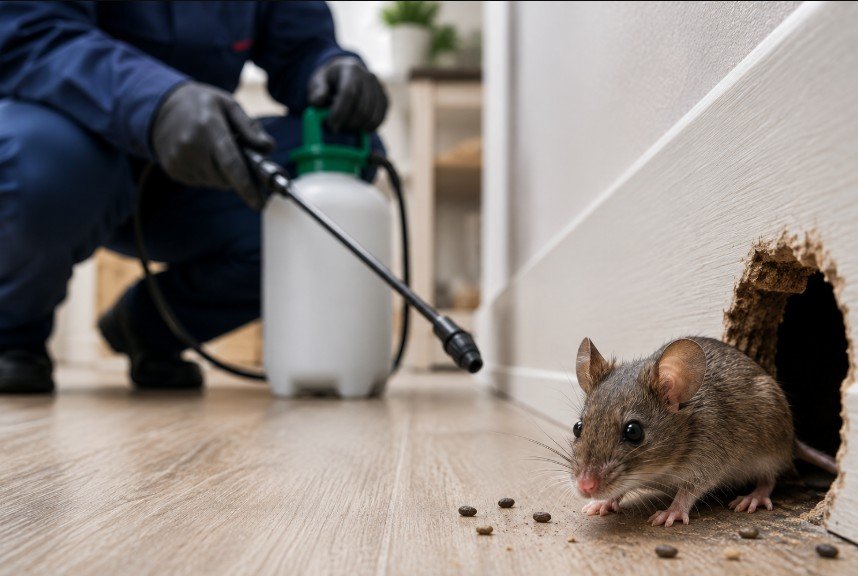
Professional Mice Control for Homes & Businesses
Cornhusker Pest Defense provides professional mice control designed to reduce active infestations, identify entry points, and help protect residential and commercial properties from recurring mouse activity. Mice can fit through very small openings and may quickly establish nests in areas that provide warmth, food, water, and shelter. Kitchens, pantries, basements, garages, utility rooms, storage spaces, attics, and wall voids can all become active areas depending on the structure. Signs of an infestation may include small droppings, gnaw marks, nesting material, scratching sounds, food damage, tracks, or direct sightings. Our approach begins by determining where mice are traveling and nesting while evaluating exterior openings and conditions that allow them to enter. Appropriate control methods can then be focused on active routes and protected locations. Recommendations may also address food storage, sanitation, clutter, and structural gaps that can contribute to recurring problems. Cornhusker Pest Defense helps Central Nebraska property owners manage mice with a complete approach that considers both current populations and future access. Our goal is to reduce mouse activity, limit reinfestation opportunities, and help maintain cleaner, more secure indoor environments through targeted professional rodent control.
Tracking Mice to Their Nesting and Entry Areas
Successful mice control requires understanding how rodents are moving through the property. Cornhusker Pest Defense evaluates droppings, gnaw marks, nesting materials, tracks, food damage, and other evidence to identify likely travel routes. We also inspect accessible exterior gaps because mice can squeeze through openings that appear surprisingly small. Control can then be concentrated where activity is most likely while exclusion recommendations address future access. Food storage, sanitation, and clutter management may also support results by reducing resources available to rodents. This combined strategy provides a more complete solution than removing individual mice without identifying why they entered or where they are nesting.
- Locate mouse nesting and active travel areas.
- Inspect small gaps that allow mouse entry.
- Target locations showing established rodent activity indoors.
- Reduce food, shelter, and nesting opportunities available.
- Recommend exclusion to help prevent reinfestation later.



Long-Term Protection from Recurring Mouse Activity
A mouse problem may continue when new rodents can enter through the same openings after existing animals are controlled. Cornhusker Pest Defense approaches mice infestations by considering activity inside the structure and access from the exterior. Treatment can focus on kitchens, basements, garages, storage spaces, attics, utility areas, and other locations where evidence is found. Improving food storage, reducing clutter, and addressing accessible entry points can support longer-lasting results. Our goal is to reduce existing mice while making the property less attractive and accessible to new rodents. This provides homeowners and businesses with a more practical approach to ongoing mouse prevention.
Frequently Asked Questions
Small droppings, gnawed materials, damaged food packages, scratching noises, nesting material, tracks, and quick sightings can indicate mice. Signs often appear along walls or in secluded areas where rodents travel. A professional inspection can help determine where activity is concentrated and identify potential nesting or entry areas.
Mice can take advantage of very small structural gaps around foundations, doors, utility penetrations, vents, garages, and other exterior areas. Openings that appear insignificant may still provide access. Inspecting and properly sealing suitable entry points is therefore an important component of long-term mouse prevention.
Mice seek protected areas close to food and shelter. Nests may be located in wall voids, storage areas, attics, basements, garages, cabinets, insulation, or behind stored materials. Evidence such as shredded nesting material and droppings can help indicate where mice are spending significant time.
Not necessarily. Seeing one mouse can indicate additional activity, especially when droppings, noises, gnawing, or other signs are present. Effective control should consider the broader infestation, possible nesting areas, food resources, and entry points so the conditions supporting additional mice can also be addressed.
Request a Service
Need Professional Pest Control Help?
Contact Cornhusker Pest Defense today for reliable pest control, rodent management, and targeted solutions tailored to your property needs.