
Springtail Control
- Home
- Springtail Control
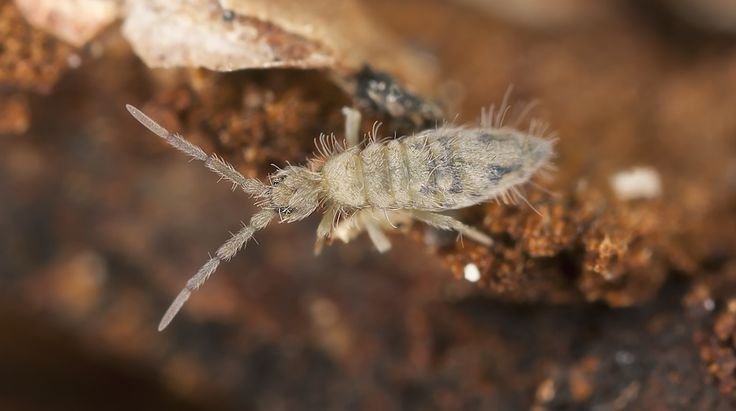
Professional Springtail Control for Moisture-Prone Areas
Cornhusker Pest Defense provides professional springtail control for homes and businesses experiencing large numbers of these tiny pests around windows, bathrooms, basements, foundations, landscaping, and other moisture-prone locations. Springtails are closely associated with damp environments and organic material, so persistent activity often indicates moisture conditions that need to be considered along with pest treatment. They may gather around exterior soil, mulch, vegetation, drainage zones, or foundations and can move indoors through small openings when environmental conditions change. Once inside, they are often noticed near windows, sinks, tubs, basements, or other humid spaces. Our approach begins by determining where springtails are concentrated and identifying moisture sources, entry areas, and outdoor conditions supporting populations near the structure. Targeted treatment can then be applied to appropriate activity zones while recommendations focus on reducing excess moisture and improving conditions around the property. Cornhusker Pest Defense helps Central Nebraska customers manage springtail problems through treatment combined with practical environmental correction. Our goal is to reduce active populations, limit repeated indoor movement, and make affected areas less suitable for future springtail activity.
Moisture Management Is Essential for Springtail Control
Springtails rely heavily on moist environments, making water and humidity conditions a major part of recurring infestations. Cornhusker Pest Defense evaluates damp soil, mulch, foundation areas, drainage zones, bathrooms, basements, windows, plumbing areas, and other locations where activity is concentrated. Treatment can reduce active populations, but persistent moisture may continue supporting new springtails if the underlying condition remains unchanged. Correcting leaks, drainage issues, excessive watering, or consistently damp areas can therefore strengthen long-term control. By addressing both the pest and the environment it depends on, property owners can achieve more reliable results than relying on surface treatment alone.
- Locate moisture conditions supporting springtail populations nearby.
- Inspect foundations, windows, and common entry areas.
- Target active indoor and outdoor springtail zones.
- Evaluate drainage landscaping and damp soil conditions.
- Reduce environmental factors encouraging recurring pest activity.
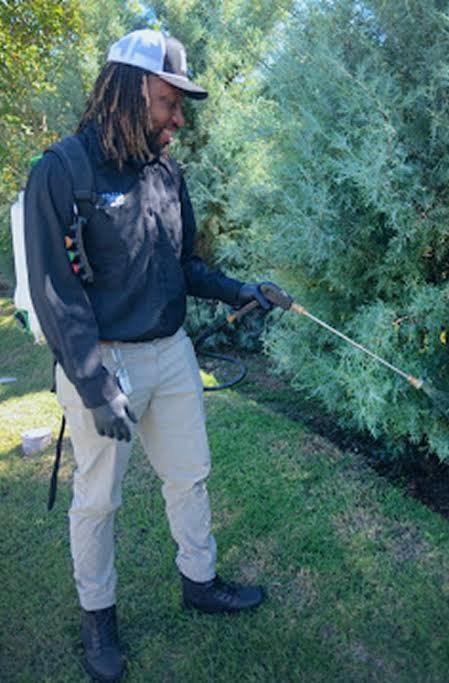
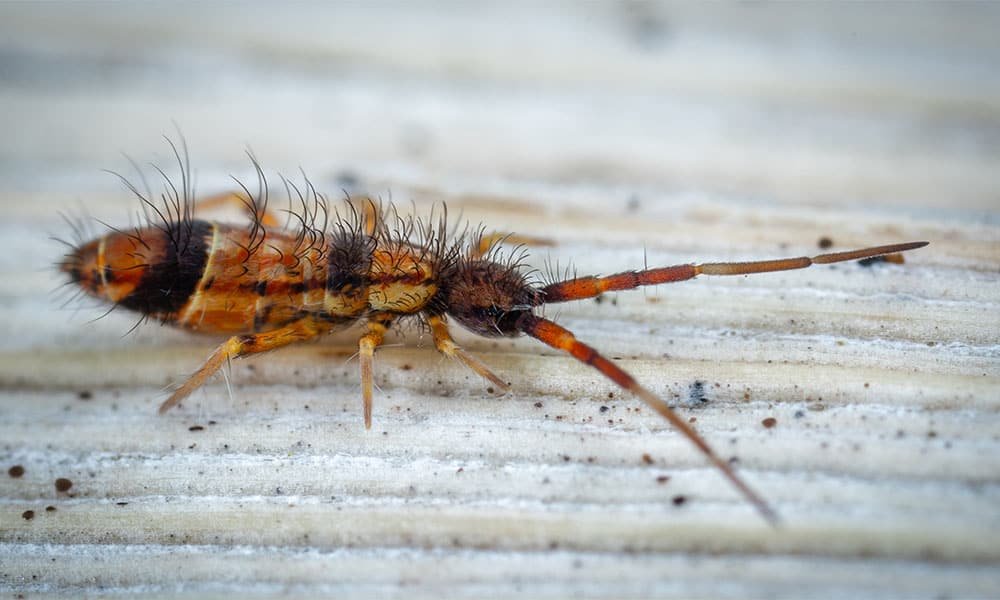
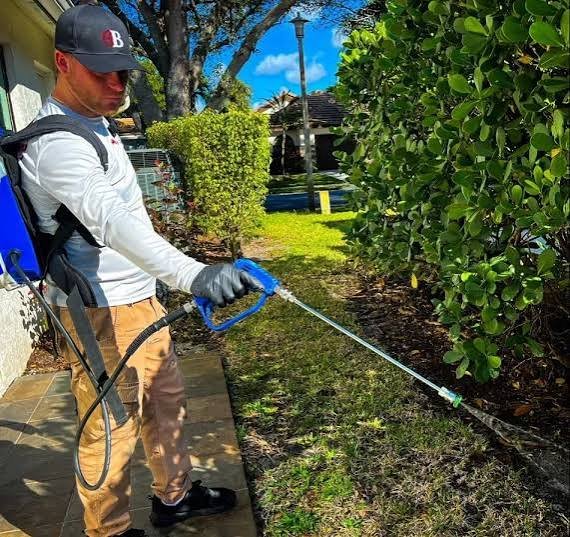
Reduce Springtails Inside and Around Your Property
Large numbers of springtails can appear suddenly when outdoor conditions change or moisture-rich areas support strong populations near a building. Cornhusker Pest Defense provides targeted control based on where pests are active and which moisture sources are contributing to the problem. Treatment may focus on exterior foundations, landscape areas, entry points, bathrooms, basements, or other affected spaces. Property improvements that reduce persistent moisture can be especially valuable for prevention. Our goal is to decrease current springtail activity while correcting the conditions that allow populations to rebound, helping homeowners and businesses maintain drier, more comfortable spaces with fewer recurring nuisance pests.
Frequently Asked Questions
Springtails require humid conditions and commonly develop where damp soil, organic material, moisture, or fungal growth is available. Bathrooms, basements, landscaping, mulch, drainage areas, and foundation zones may all provide suitable environments. Persistent activity often means a nearby moisture source is supporting the population.
Yes. Large outdoor populations can move through small openings around foundations, windows, doors, and other access points, particularly when weather or moisture conditions change. Indoor activity is often concentrated near humid locations. Addressing exterior populations and moisture conditions can help reduce continued movement into the structure.
Treatment can reduce active springtails, but recurring moisture may continue supporting new populations. Long-term management often requires finding and correcting damp conditions along with targeted pest control. Drainage, leaks, overwatering, humidity, or persistent wet areas should be evaluated when springtails repeatedly return after initial treatment.
Reduce unnecessary moisture, correct leaks and drainage problems, avoid excessive watering near foundations, and improve damp indoor conditions where practical. Maintaining landscaping and eliminating persistent wet zones can also help. These steps reduce the environmental conditions springtails need and support more effective professional pest treatment.
Request a Service
Need Professional Pest Control Help?
Contact Cornhusker Pest Defense today for reliable pest control, rodent management, and targeted solutions tailored to your property needs.