
Stinging Insect Control
- Home
- Stinging Insect Control
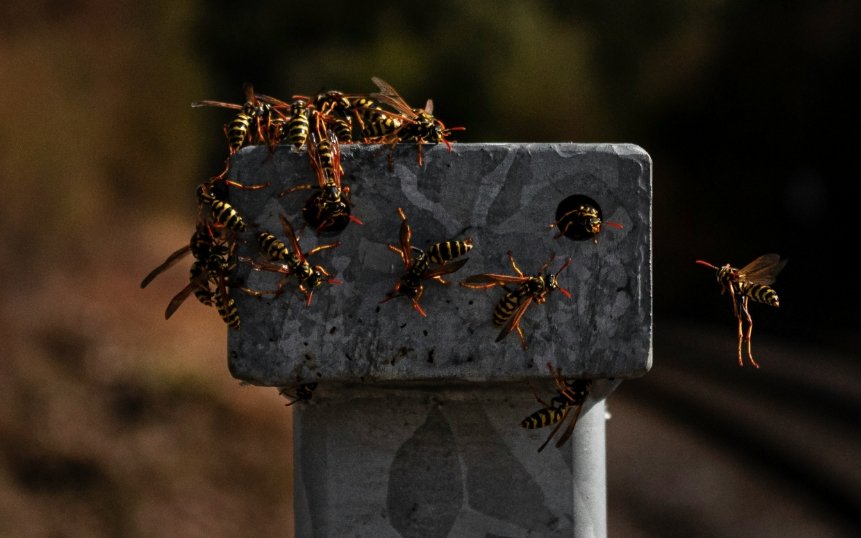
Professional Stinging Insect Control for Properties
Cornhusker Pest Defense provides professional stinging insect control designed to address nests and active insect populations around homes, businesses, yards, and other frequently used areas. Wasps and yellowjackets may establish nests around rooflines, eaves, wall voids, trees, landscaping, ground areas, sheds, decks, and other protected locations depending on the species. Activity can become particularly concerning when insects are nesting near doors, walkways, outdoor seating, play areas, workspaces, or other places where people regularly pass. Our approach begins by identifying the insect involved, locating the nest or primary activity zone when possible, and evaluating surrounding conditions before treatment. Cornhusker Pest Defense provides dedicated wasp removal and yellowjacket control services so management can be matched to the pest and nesting situation. Because disturbing an active nest can trigger defensive behavior, property owners should avoid unnecessary contact with areas showing heavy stinging insect traffic. Our service helps Central Nebraska customers address these concerns with targeted treatment focused on active nests and high-traffic zones. The goal is to reduce stinging insect activity around the property and help make commonly used outdoor and structural areas more comfortable.
Locating Nests Before Treatment Begins
Stinging insect control depends on knowing which pest is present and where activity originates. Cornhusker Pest Defense observes flight patterns, entry points, nesting locations, and high-activity areas to help identify the source. Nests may be exposed, concealed inside structural voids, or located in ground cavities depending on the species. Treatment is selected according to the nest location and insect involved rather than treating all stinging pests the same way. Avoiding disturbance before treatment can be important because defensive insects may react when the nest is threatened. A focused inspection supports safer, more effective management of activity around occupied areas.
- Identify stinging insect species and nesting locations.
- Observe flight paths and active entry points.
- Target nests according to location and conditions.
- Address activity near frequently used property areas.
- Reduce unnecessary disturbance around active insect nests.
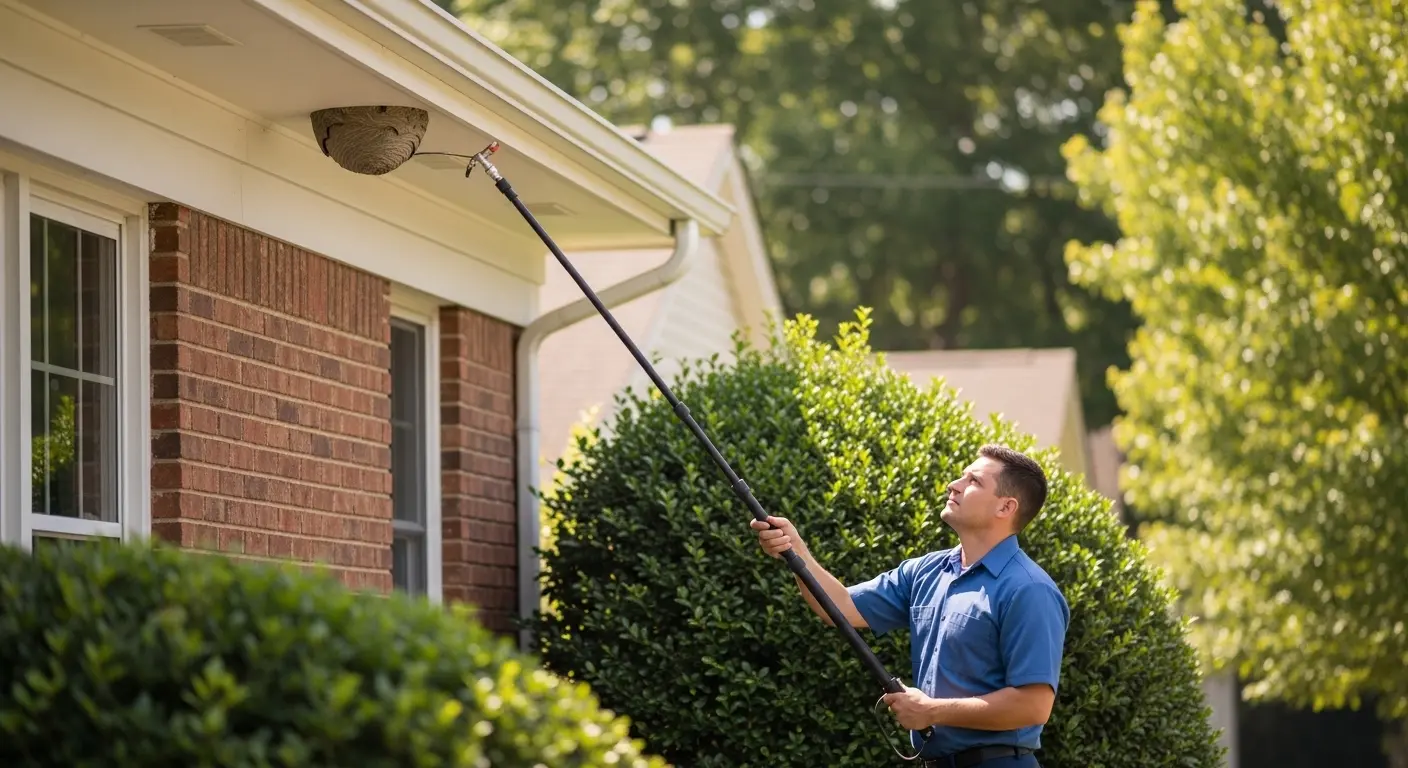
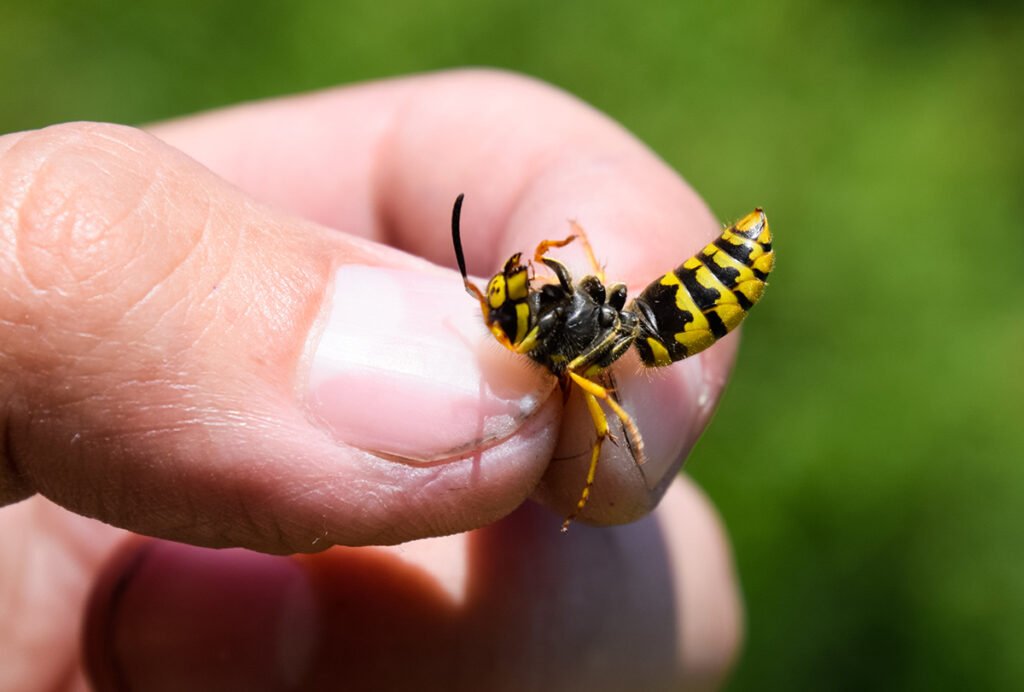
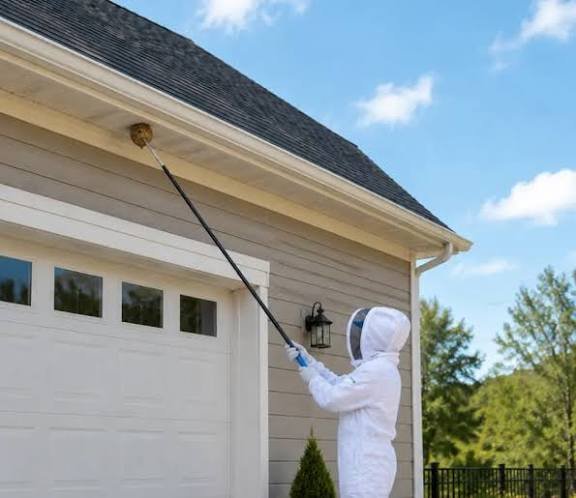
Focused Control Around High-Activity Nesting Areas
Wasps and yellowjackets can become increasingly disruptive as colonies grow and activity intensifies around nesting locations. Cornhusker Pest Defense provides targeted service for nests around structures, landscaping, exterior features, and other affected areas. Correct identification helps determine the appropriate treatment approach because different stinging insects may nest and behave differently. We focus on the source of activity rather than only insects flying through the area. Property owners should keep people and pets away from suspected nests whenever possible until the situation is evaluated. Our goal is to reduce active stinging insect populations and help customers regain safer use of affected outdoor and building areas.
Frequently Asked Questions
Watch from a safe distance for repeated flight activity entering and leaving the same location. Wasps or yellowjackets may use roof edges, wall openings, trees, landscaping, sheds, decks, or ground cavities. Avoid approaching or disturbing the area if insects appear defensive or activity is concentrated.
Disturbing an active nest can cause defensive insects to emerge quickly, creating unnecessary sting risk. Nest location, insect species, colony size, and accessibility all matter. Professional evaluation can help determine an appropriate treatment approach without requiring the property owner to handle or closely approach active nesting areas.
Different stinging insects can have different nesting locations, colony behavior, and activity patterns. A visible paper nest, concealed structural nest, or underground yellowjacket colony may require different management. Correct identification helps treatment focus on the actual pest and the nesting conditions present at the property.
Yes. Some stinging insects can use structural gaps that lead into wall voids or other concealed spaces. Repeated traffic entering a specific crack or opening may indicate hidden nesting activity. Avoid sealing an active entrance before the situation is evaluated because insects may seek alternate routes.
Request a Service
Need Professional Pest Control Help?
Contact Cornhusker Pest Defense today for reliable pest control, rodent management, and targeted solutions tailored to your property needs.