Yellowjacket Control
- Home
- Yellowjacket Control
Professional Yellowjacket Control for Safer Outdoor Areas
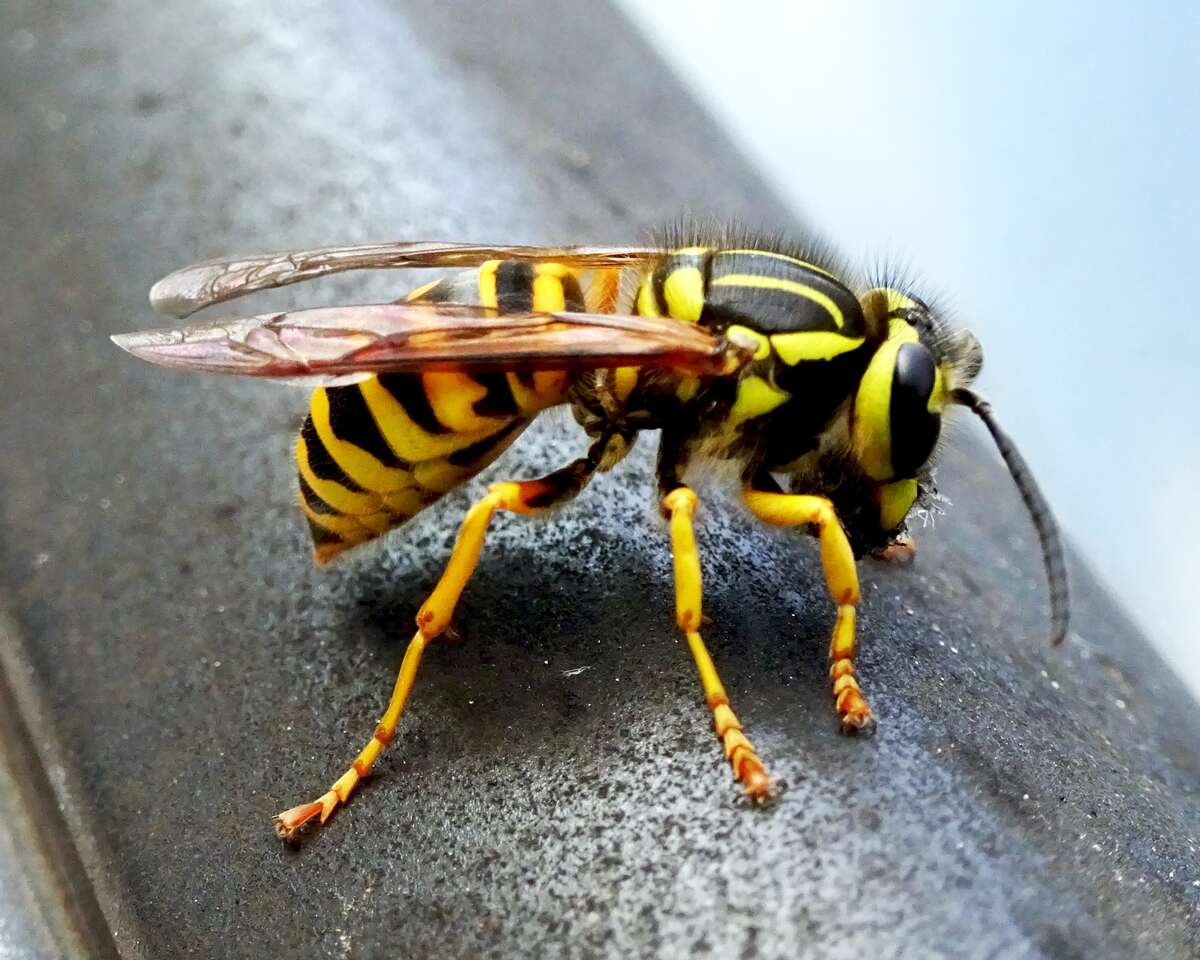
Cornhusker Pest Defense provides professional yellowjacket control designed to locate active colonies and reduce stinging insect activity around homes, businesses, yards, and frequently used outdoor spaces. Yellowjackets can establish nests underground, inside structural voids, around landscape features, or within other concealed locations, making the source of activity difficult to see. Colonies can become increasingly noticeable as populations grow, with repeated traffic around garbage, outdoor food, entryways, patios, walkways, and nesting areas. Because yellowjackets may defend their nest aggressively when disturbed, approaching or attempting to block an active entrance can create avoidable sting risk. Our approach begins by observing insect movement and identifying the nest location or primary entry point whenever possible. Treatment is then directed according to the nesting conditions and location of the colony. Cornhusker Pest Defense helps Central Nebraska property owners manage yellowjacket problems with targeted professional control that focuses on the source of repeated activity. Whether insects are emerging from a ground opening, entering a wall void, or creating heavy traffic around an outdoor area, our goal is to reduce colony activity and help restore more comfortable use of the property.
Locating Concealed Yellowjacket Colonies Carefully
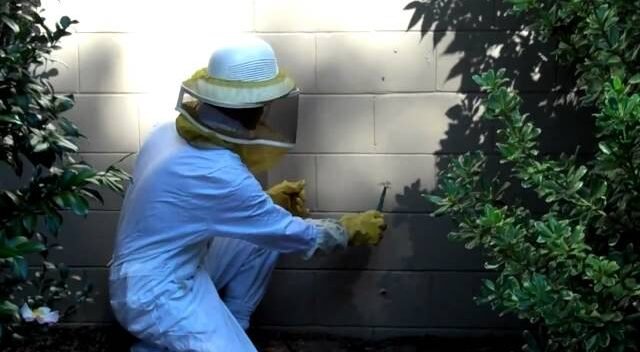
Yellowjacket nests may not be visible even when insect activity is heavy. Cornhusker Pest Defense follows repeated flight paths and entry patterns to determine where workers are traveling and where the colony may be located. Ground holes, structural gaps, wall voids, landscaping, and other concealed spaces can all serve as nesting locations. Because disturbing these entrances can trigger defensive activity, inspection is performed with attention to the insects’ movement and the surrounding area. Once the nesting location is identified, treatment can focus on the colony instead of individual yellowjackets foraging elsewhere. This provides a more targeted approach to persistent stinging insect problems.
- Observe yellowjacket flight paths from safe distances.
- Locate ground or concealed structural nesting sites.
- Target active colonies at primary nest locations.
- Address yellowjacket traffic near occupied outdoor areas.
- Avoid unnecessary disturbance around defensive insect activity.
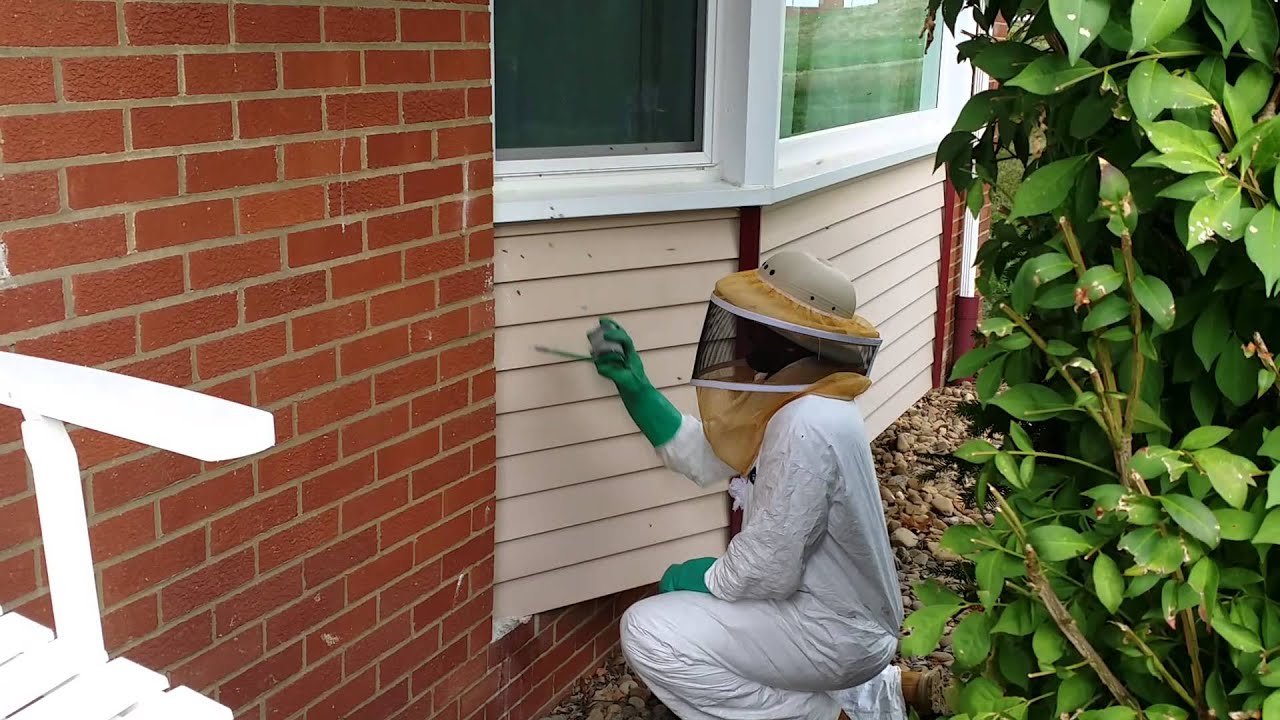
Reduce Yellowjacket Activity Around Your Property
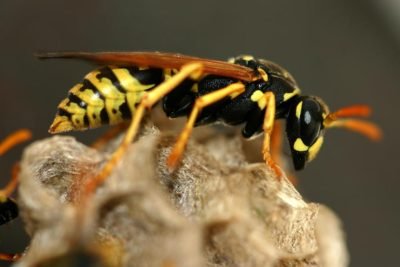
Yellowjacket activity can interfere with outdoor dining, yard work, play areas, business entrances, and other everyday activities, particularly when a colony is established nearby. Cornhusker Pest Defense provides control based on the actual nest location and insect movement around the property. We focus on treating colony activity rather than chasing individual workers away from food or garbage sources. Managing exposed food and waste can also reduce foraging attraction around occupied areas. Our goal is to reduce established yellowjacket activity and help property owners use affected spaces more comfortably while avoiding unnecessary attempts to disturb concealed or defensive nests.
Frequently Asked Questions
Yellowjackets may nest in underground cavities, wall voids, structural openings, landscape areas, and other concealed locations. A nest is sometimes indicated only by repeated insect traffic entering and leaving one point. Watching activity from a safe distance can help identify the location without unnecessarily disturbing the colony.
Yellowjackets forage for proteins and sugary materials, which can attract them to outdoor meals, beverage containers, trash, and other food sources. Keeping waste covered and cleaning food residue can reduce foraging attraction, although these steps will not eliminate a nearby colony that is already established.
Sealing an active entrance without treating the colony can be problematic, particularly when the nest is inside a structural void. Yellowjackets may continue searching for another way out. The activity should be evaluated first so control can focus on the colony before access areas are considered for repair.
Colony populations and foraging activity can increase as the season progresses, making workers more noticeable around food, waste, and outdoor areas. Seasonal behavior varies with weather and local conditions. Established nests may therefore seem relatively quiet earlier and become much more disruptive as populations grow.
Request a Service
Need Professional Pest Control Help?
Contact Cornhusker Pest Defense today for reliable pest control, rodent management, and targeted solutions tailored to your property needs.