Pest ID Guide

Pest ID Guide

Common Pests in Central Nebraska

Not sure what pest you’re dealing with? Explore common insects, rodents, and nuisance pests found throughout Grand Island, Hastings, Kearney, and surrounding Central Nebraska communities. Select a pest to learn identification signs, common attractants, prevention tips, and when professional pest control may be needed.

testimonials

Trusted Feedback from Local Customers on Pest Control Services

Posted on Google Google
Dodd Cox profile picture
Dodd Cox
Google star 1Google star 2Google star 3Google star 4Google star 5Trustindex verifies that the original source of the review is Google.
⭐⭐⭐⭐⭐ Skeet with Cornhusker Pest Defense did a fantastic job! He was professional, friendly, knowledgeable, and took the time to make sure everything was taken care of properly. Great service from start to finish. I highly recommend Skeet and Cornhusker Pest Defense!
Posted on Google Google
Kenda Spahr profile picture
Kenda Spahr
Google star 1Google star 2Google star 3Google star 4Google star 5Trustindex verifies that the original source of the review is Google.
I had Skeet come and spray for spiders and other pests. He did an excellent job spraying my house. I have never had my house sprayed this good. Definitely will use again. Kenda S.
Posted on Google Google
Margaret Wilson profile picture
Margaret Wilson
Google star 1Google star 2Google star 3Google star 4Google star 5Trustindex verifies that the original source of the review is Google.
Cornhusker Pest Defense was absolutely amazing. He sprayed both outside and inside of my place. I have not had any spiders or crickets or ants. He was very professional and polite.
Posted on Google Google
Charles Newberry profile picture
Charles Newberry
Google star 1Google star 2Google star 3Google star 4Google star 5Trustindex verifies that the original source of the review is Google.
Very friendly and good customer service which is hard to find nowadays. I would highly recommend Cornhusker Pest Defense.
Posted on Google Google
TIFFANY SPEER profile picture
TIFFANY SPEER
Google star 1Google star 2Google star 3Google star 4Google star 5Trustindex verifies that the original source of the review is Google.
Had them come over and spray around and inside my house for spiders, and other insects and did an amazing job. I don't have crickets coming in my place anymore nor spiders Very professional and friendly and courteous. Would highly recommend Cornhusker Pest Defense.
Ready for Reliable Pest Control?

Protect your property today with professional pest control solutions.

(308) 940-3999

skeet@cornhuskerpestdefense.com

Grand Island, NE, United States, 68801

Mon - Sun " 8AM-10PM

Get in touch

Schedule Your Free Pest Control Inspection Today

Our experienced team is ready to answer your questions and schedule a property inspection. We provide reliable, targeted pest control solutions for insects, rodents, and other common pest concerns. Reach out using any contact method below, and we’ll respond promptly to help arrange the right service for your property.
Scroll to Top

Wolf Spiders

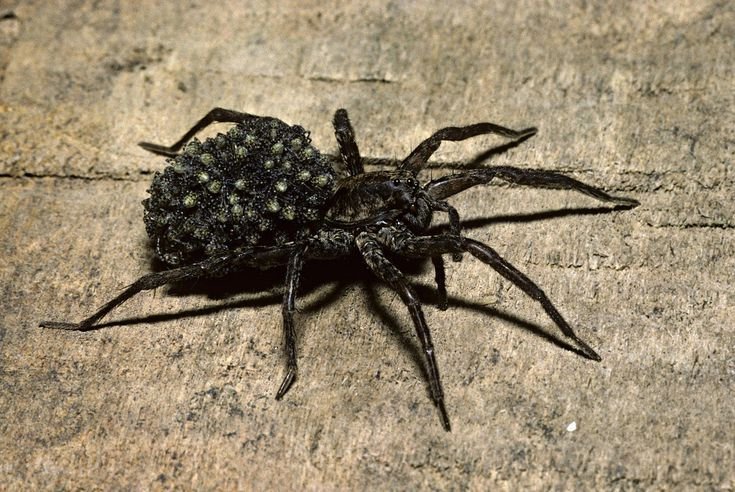
Wolf spiders are robust, hairy arachnids known for their impressive speed and agility. Unlike many common house spiders, they do not construct webs to capture prey. Instead, these active hunters rely on keen eyesight and swift movement to chase down insects on ground surfaces.

What Do Wolf Spiders Eat?

Wolf spiders target a wide variety of ground-dwelling insects and small pests. Their typical diet includes ants, beetles, crickets, and even other smaller spiders. Because they actively hunt across floors and outdoor soil, their presence often signals an underlying abundance of prey insects nearby.


Why Are They in My House?

Wolf spiders generally migrate indoors when outdoor temperatures drop or when prey becomes scarce. They enter structures through ground-level gaps around foundation walls, unsealed exterior doors, and basement windows. Once inside, they seek out cool, dark, and quiet spaces like basements, garages, and storage areas.


Are They Dangerous?

While their large size and fast movements can startle property owners, wolf spiders pose minimal threat to humans. They are non-aggressive and prefer to flee when disturbed. Bites are rare and usually occur only if the spider is pinned or squeezed, resulting in mild, localized swelling similar to a bee sting.


How Can I Prevent Wolf Spiders?

Reducing wolf spider activity requires addressing both entry points and indoor food sources:

  • Seal exterior gaps around basement windows, door sweeps, and foundation utility penetrations.
  • Remove indoor clutter in storage spaces to eliminate dark, undisturbed harborages.
  • Control underlying insect populations to limit the food supply attracting hunting spiders.
  • Clear outdoor debris such as firewood piles and heavy leaf litter away from foundation walls.
Professional Pest Control Services

Persistent spider activity often points to larger pest conditions around your property. Cornhusker Pest Defense delivers targeted pest management solutions designed to eliminate active infestations and secure exterior vulnerabilities.


Need help with wolf spiders or other pests around your property? Contact Cornhusker Pest Defense today to schedule a thorough professional inspection.

Box Elders

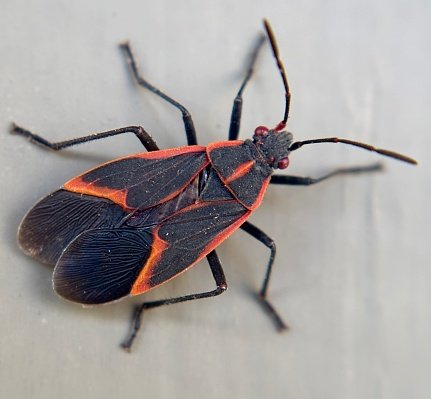
elder bugs are common true bugs easily recognized by their dark gray or black bodies with distinct red and orange lines along their wings. During warm days, property owners often notice these insects congregating in large clusters on sun-warmed exterior walls, siding, and window frames.

What Do Box Elder Bugs Eat?

During the spring and summer months, box elder bugs feed primarily on the leaves, seeds, and soft sap of seed-bearing female box elder trees. They also feed on related host plants such as maple and ash trees. Their feeding causes minimal structural damage to mature trees, making them more of a property nuisance than a plant threat.

Why Are They Entering Buildings?

When autumn temperatures drop, box elder bugs begin searching for warm, protected shelters to survive the winter. They crawl into small gaps around window frames, unsealed exterior siding, rooflines, and foundation cracks. Once inside, they move into wall voids, attics, and drop ceilings to overwinter in dormant states before emerging on warmer spring days.

Are They Dangerous to Property or Health?

Box elder bugs do not bite, sting, or transmit diseases to humans or pets. They do not feed on wood, fabrics, or stored foods inside your home. However, large congregations inside living areas can create unpleasant conditions. Crushing these insects can release a foul odor and leave reddish stains on light-colored carpets, curtains, and interior walls.

How Can I Prevent Box Elder Bugs?

Managing box elder bug activity requires sealing structural entry points before fall arrives:

  • Seal exterior gaps around windows, door frames, and utility penetrations using silicone caulk.
  • Inspect door sweeps and screens to ensure a tight fit against windows and exterior entryways.
  • Avoid crushing indoor bugs; vacuum up stray insects to prevent wall and carpet staining.
  • Maintain landscaping by clearing seed pods and debris around your home’s foundation.
Professional Pest Control Services

Large seasonal congregations often require targeted exterior treatments before insects penetrate interior walls. Cornhusker Pest Defense delivers specialized perimeter pest management solutions designed to eliminate active clusters and reduce overwintering access points around your structure.


Need help with box elders or other pests around your property? Contact Cornhusker Pest Defense today to schedule a thorough professional inspection.

Yellowjackets

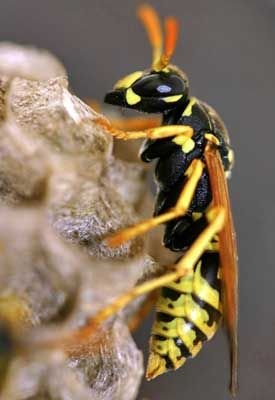
Yellowjackets are predatory wasps recognized by their bold black and bright yellow markings, compact bodies, and rapid flight patterns. Unlike honeybees, they lack dense hair and possess smooth stingers that allow them to sting repeatedly. These social insects construct paper-like nests in hidden locations, expanding their colonies through late summer and fall.


What Do Yellowjackets Eat?

Yellowjackets require both proteins and carbohydrates to support their colonies. During early summer, workers capture flies, caterpillars, and other garden insects to feed developing larvae inside the nest. As summer turns to autumn, their dietary focus shifts toward sugars, drawing adult workers to fallen fruit, sweet drinks, outdoor dining areas, and open trash receptacles.


Why Are They Around My Home?

Yellowjackets often establish nests near human activity where food, water, and protected shelter are abundant. Queens seek out hidden, structural voids to build nests, including abandoned rodent burrows, exterior wall cavities, soffits, and beneath porch decks. Property owners frequently notice increased activity when foraging workers travel between these concealed nests and nearby food sources.


Are They Dangerous?

Yellowjackets pose a significant health and safety risk to property owners. They are territorial and defend their nests aggressively when disturbed or approached. Because individual yellowjackets can deliver multiple stings without losing their stingers, encounters can lead to severe allergic reactions or intense pain for humans and domestic pets.


How Can I Prevent Yellowjackets?

Reducing yellowjacket activity requires eliminating food attractants and limiting structural access:

  • Secure outdoor trash cans with tight-fitting lids to block access to food scraps.
  • Cover food and sweet drinks during outdoor meals, picnics, and patio gatherings.
  • Seal structural gaps around soffits, siding edges, and utility entries before queens nest in spring.
  • Remove fallen fruit promptly from fruit trees and garden beds around your lawn.
Professional Pest Control Services

Attempting to treat or remove an active yellowjacket nest without specialized equipment carries a high risk of stings. Cornhusker Pest Defense delivers targeted stinging insect management solutions designed to safely neutralize active nests and protect your outdoor living spaces.


Need help with yellowjackets or other pests around your property? Contact Cornhusker Pest Defense today to schedule a thorough professional inspection.

Bed Bugs

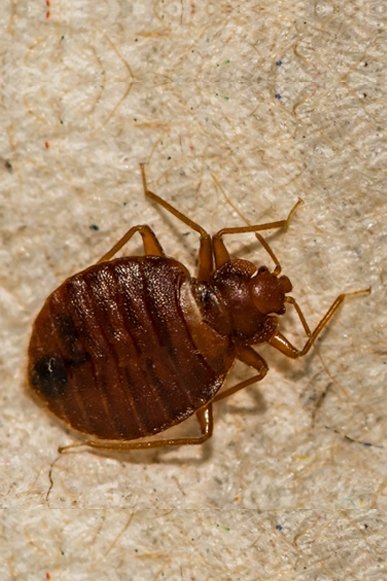
Bed bugs are small, wingless insects that rely on human blood for nourishment. Adults grow to about the size of an apple seed, displaying oval, reddish-brown bodies that swell and darken after feeding. Because they avoid light, these nocturnal pests excel at hiding inside narrow cracks near human sleeping areas.


What Do Bed Bugs Eat?

Bed bugs feed strictly on blood, showing a clear preference for human hosts. They track sleeping humans using body heat, carbon dioxide emissions, and natural scent cues. A typical feeding session lasts 5 to 10 minutes, after which the insect retreats into dark, nearby harborages to digest its meal.


How Do They Get Inside My Home?

Bed bugs are skilled hitchhikers rather than a sign of poor sanitation. They enter properties by clinging to luggage, used furniture, clothing, or personal items during travel or visits to infested locations. Multi-family housing structures, hotels, workplaces, and dormitories are common transfer points where bugs easily migrate between rooms.


Are They Dangerous?

Bed bugs do not transmit infectious diseases to humans. However, their nocturnal feeding causes uncomfortable symptoms, including itchy red welts, allergic reactions, and severe sleep disruption. The emotional stress of an active infestation frequently leads to prolonged anxiety for property owners.


What Are the Signs of an Infestation?

Early detection helps prevent rapid population growth throughout a structure. Watch for these common indicators:

  • Itchy, red bites appearing in small clusters or straight lines on exposed skin.
  • Small blood spots or dark, pepper-like fecal stains on sheets and pillowcases.
  • Shed translucent skins left behind as young nymphs grow into adults.
  • Live insects tucked inside seams, box springs, headboards, and behind baseboards.
How Can I Prepare for Professional Treatment?

Successful elimination requires proper preparation before your technician arrives:

  • Wash and dry bedding on high heat for at least 30 minutes to kill all life stages.
  • Seal cleaned garments in airtight plastic bags or storage totes to prevent recontamination.
  • Clear floor clutter around bed frames, nightstands, and baseboards to allow complete treatment access.
  • Avoid using store-bought foggers, which cause insects to scatter deeper into wall voids.
Professional Pest Control Services

Eradicating bed bugs requires specialized equipment and precise chemical applications to reach every hidden harborage. Cornhusker Pest Defense delivers comprehensive bed bug management, including professional heat treatments and targeted residual applications designed to eliminate infestations completely.


Need help with bed bugs or pests around your property? Contact Cornhusker Pest Defense today to schedule a thorough professional inspection.

Cockroaches

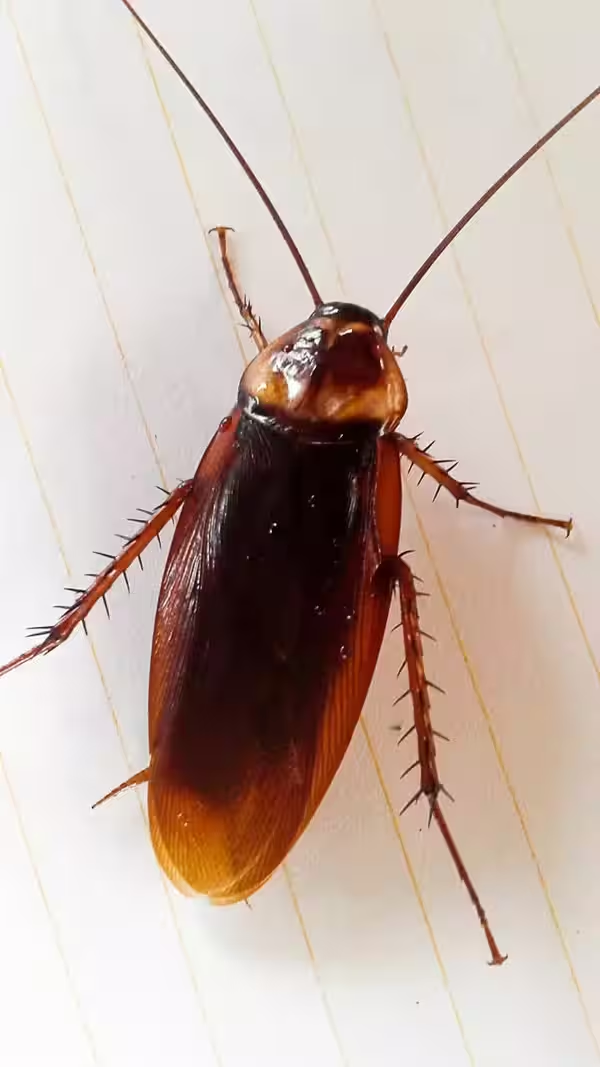
Cockroaches are resilient, flat-bodied pests that thrive in dark, humid environments near food and moisture sources. In Nebraska homes and commercial buildings, property owners typically encounter German cockroaches and Oriental cockroaches. Because these insects multiply rapidly and contaminate interior surfaces, addressing activity early prevents large-scale infestations.


What Do Cockroaches Eat?

Cockroaches are scavenger pests that consume almost any organic material available to them. Their diet ranges from standard kitchen food crumbs and grease spills to cardboard adhesives, soap residue, and pet food. Because they can survive for weeks without a direct food source, eliminating accessible nourishment requires consistent interior sanitation.


Why Are They in My Home?

Cockroaches enter properties seeking warm shelter, moisture, and steady food access. German roaches frequently arrive inside infested appliances, cardboard boxes, or shared wall voids in multi-unit housing. Oriental roaches typically crawl inside from damp exterior environments, utilizing utility penetrations, foundation cracks, and floor drains.


Are They Dangerous to Health?

Cockroaches pose significant public health risks to residents and employees. As they crawl through waste drains and structural gaps, their legs pick up pathogens like Salmonella and E. coli, transferring bacteria directly onto countertops and food preparation areas. Furthermore, shed skins and fecal dust frequently trigger asthma attacks and allergic reactions in children.


What Are the Signs of an Infestation?

Recognizing early warning signs allows for faster control before populations spread throughout a structure:

  • Dark speckling or droppings that resemble coarse black pepper along baseboards and cabinet hinges.
  • Egg capsules (oothecae) tucked inside dark cabinet corners, under sinks, or behind appliances.
  • Musty, oily odors produced by pheromones in severe or established infestations.
  • Daytime sightings, which often indicate crowded harborages forcing insects out into the open.
How Can I Prepare for Professional Treatment?

Preparing your living or workspace ensures professional applications reach active nesting sites effectively:

  • Clean grease and food crumbs from beneath heavy kitchen appliances and inside pantry cabinets.
  • Store open food products in rigid, airtight glass or plastic containers.
  • Fix plumbing leaks under sinks and around appliances to eliminate standing water sources.
  • Avoid over-the-counter foggers, which scatter roaches deeper into inaccessible wall voids.
Professional Pest Control Services

Eliminating a cockroach infestation requires targeted applications rather than superficial spraying. Cornhusker Pest Defense provides comprehensive cockroach management solutions, utilizing precision gel baits, insect growth regulators, and crack-and-crevice treatments designed to neutralize nests at their source.


Need help with cockroaches or other pests around your property? Contact Cornhusker Pest Defense today to schedule a thorough professional inspection.

Spiderwebs & Spider Egg Sacs

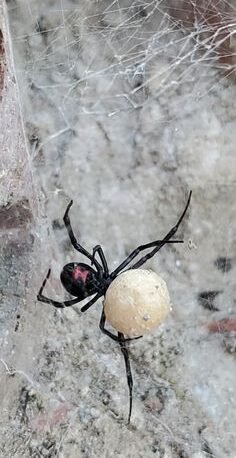
Spiderwebs are structural silk constructions designed to capture prey and establish territory around home exteriors. Female spiders also produce egg sacs—durable silk pouches that encase and protect dozens or hundreds of developing eggs. When left unmanaged on exterior surfaces, webs and egg sacs indicate an active, expanding spider population around your building.


What Attracts Spiders to Build Webs on Buildings?

Spiders build webs where flying and crawling insects congregate. Exterior wall lighting, window illumination, and porch fixtures draw moths, flies, and midges directly toward your home at night. Spiders take advantage of this high insect traffic by anchoring webs near light fixtures, eaves, soffits, and window frames to secure a steady food supply.


What Do Spider Egg Sacs Look Like?

Spider egg sacs vary in appearance depending on the species inhabiting your property. They often appear as small white or tan cotton-like spheres, paper-like teardrops, or dense, silky disks woven directly into web corners. Because each sac protects numerous spiderlings until they hatch, failing to remove them leads to sudden population spikes around your living spaces.


Are Heavy Web Buildups Dangerous?

Most common web-building spiders across Central Nebraska pose negligible health risks to humans. However, heavy web accumulation creates an unmaintained appearance and shelters pest populations. Certain species, such as yellow sac spiders or black widows, do possess venomous bites that cause uncomfortable localized reactions or medical concerns when disturbed.


How Can I Prevent Web Accumulation?

Reducing spider activity requires managing outdoor attractants and physically removing structures:

  • Clear visible webs and egg sacs regularly using a brush or high-pressure water stream.
  • Switch to yellow exterior bug lights, which attract far fewer nocturnal prey insects to walls.
  • Trim overgrown shrubs and branches back at least 12 inches from foundation walls and siding.
  • Seal exterior gaps around window trims, door frames, and utility conduits to limit interior access.
Professional Pest Control Services

Knocking down webs provides temporary cosmetic relief, but it does not eliminate the resident spiders or their underlying food sources. Cornhusker Pest Defense provides comprehensive exterior spider control, combining physical web and egg sac removal with targeted residual treatments around your home’s perimeter.


Need help with spiders or other pests around your property? Contact Cornhusker Pest Defense today to schedule a thorough professional inspection.

Carpet Beetles

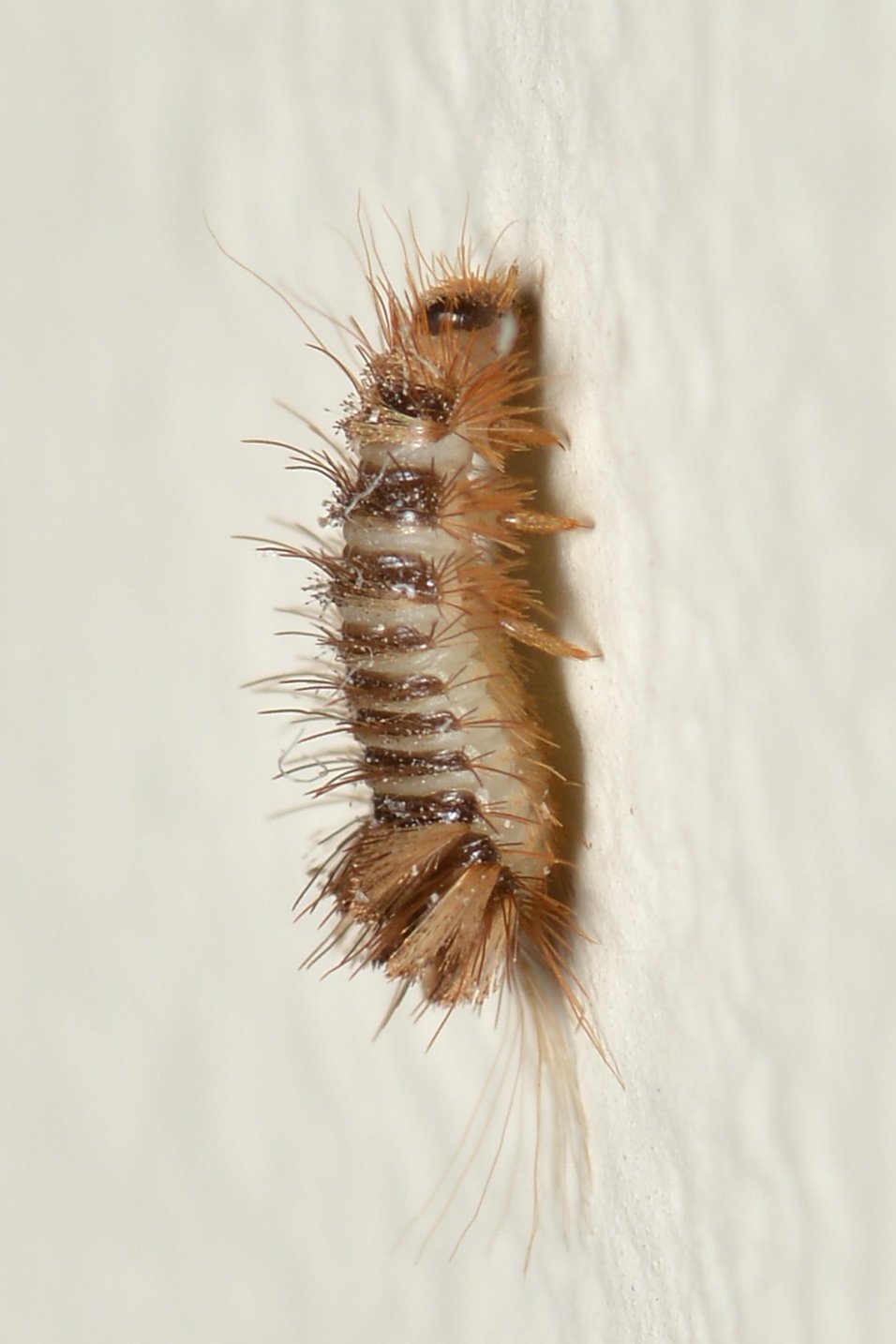
Carpet beetles are small, oval-shaped insects notorious for damaging household fabrics during their larval stage. While adult beetles feed outdoors on plant pollen, their bristly larvae thrive in dark indoor areas. Because larvae chew through organic fibers, an unmanaged infestation can ruin valuable textiles, clothing, and home furnishings.


What Do Carpet Beetles Eat?

Carpet beetle larvae feed exclusively on animal-based materials and natural fibers. Their diet includes wool rugs, silk garments, feathers, fur, and natural upholstery coverings. They also consume organic debris like shed pet hair, dead insects, and lint that collects in dark corners.


How Do They Get Inside My Home?

Adult carpet beetles often fly inside through unsealed windows, door gaps, or exterior wall vents. Property owners also bring them indoors on cut flowers, outdoor potted plants, secondhand clothing, or used furniture. Once inside, female beetles lay eggs in undisturbed, fibrous areas where emerging larvae can immediately feed.


Are They Dangerous to Humans?

Carpet beetles do not bite, sting, or transmit diseases to humans or pets. However, the fine bristles covering carpet beetle larvae can trigger allergic reactions in sensitive individuals. Prolonged contact with these larval hairs often causes itchy skin rashes, localized red bumps, or eye irritation.


What Are the Signs of an Infestation?

Because larvae avoid light, property owners usually notice physical fabric damage before spotting the insects themselves:

  • Irregular holes and frayed fibers in wool clothing, blankets, and natural-fiber carpets.
  • Hairy, slow-moving larvae or shed larval skins tucked inside dark closets and drawers.
  • Small oval adult beetles gathering on window sills or near indoor light fixtures in spring.
  • Bare patches along carpet edges and beneath heavy, stationary furniture.
How Can I Prevent Carpet Beetle Damage?

Controlling carpet beetle populations requires regular interior cleaning and proper textile storage:

  • Vacuum carpets, baseboards, and closet floors thoroughly to remove pet hair and organic lint.
  • Wash or dry-clean wool items before storing them in airtight plastic bins or garment bags.
  • Inspect outdoor flowers and plants carefully for adult beetles before bringing them inside.
  • Clear bird and rodent nests away from exterior walls and rooflines to eliminate breeding sites.
Professional Pest Control Services

Persistent fabric damage often points to hidden breeding grounds inside wall voids or beneath built-in flooring. Cornhusker Pest Defense delivers comprehensive pest management solutions designed to eliminate active carpet beetle larvae and protect your home’s valuable interiors.


Need help with carpet beetles or other pests around your property? Contact Cornhusker Pest Defense today to schedule a thorough professional inspection.

Earwigs

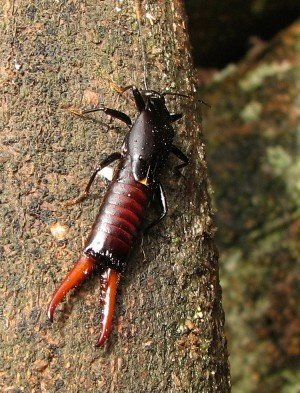
Earwigs are reddish-brown insects identifiable by the prominent forceps protruding from their abdomens. Contrary to popular folklore, these nocturnal pests do not burrow into human ears or cause brain damage. Instead, they operate as outdoor scavengers that seek out cool, dark shelter during heat spells and rainstorms.


What Do Earwigs Eat?

Earwigs maintain an omnivorous diet that consists primarily of decaying organic matter and damp vegetation. They consume leaves, garden mulch, flower petals, soft plant shoots, and small live insects. While they play a beneficial role breaking down garden waste outdoors, their feeding can damage ornamental plants and agricultural seedlings.


Why Are They in My House?

Earwigs move indoors when outdoor conditions become too dry, too hot, or excessively saturated. They crawl through foundation cracks and low basement vents to reach cool interior shelter. Once inside, they seek out damp locations like bathrooms, laundry rooms, and areas around dripping pipes.


Are They Dangerous to Property or Health?

Earwigs pose no physical threat or health hazards to humans and domestic pets. They do not sting, spread infectious diseases, or damage structural timber like wood-boring insects. Although they may raise their forceps defensively if handled, their pinchers are rarely strong enough to break human skin.


How Can I Prevent Earwigs?

Managing earwig invasions requires eliminating exterior moisture and sealing structural entry points:

  • Maintain a clear buffer by pulling heavy mulch and leaf litter 6 to 12 inches away from your foundation.
  • Direct rainwater away from your building by clearing gutters and adjusting downspouts.
  • Seal gaps and cracks around exterior doors, basement window frames, and foundation lines.
  • Use dehumidifiers in damp basements and crawl spaces to reduce indoor humidity levels.
Professional Pest Control Services

Persistent indoor sightings often indicate high moisture levels and heavy pest activity around your foundation. Cornhusker Pest Defense delivers comprehensive perimeter pest control solutions designed to treat exterior harborage areas and stop earwigs before they cross into your home.


Need help with earwigs or other pests around your property? Contact Cornhusker Pest Defense today to schedule a thorough professional inspection.