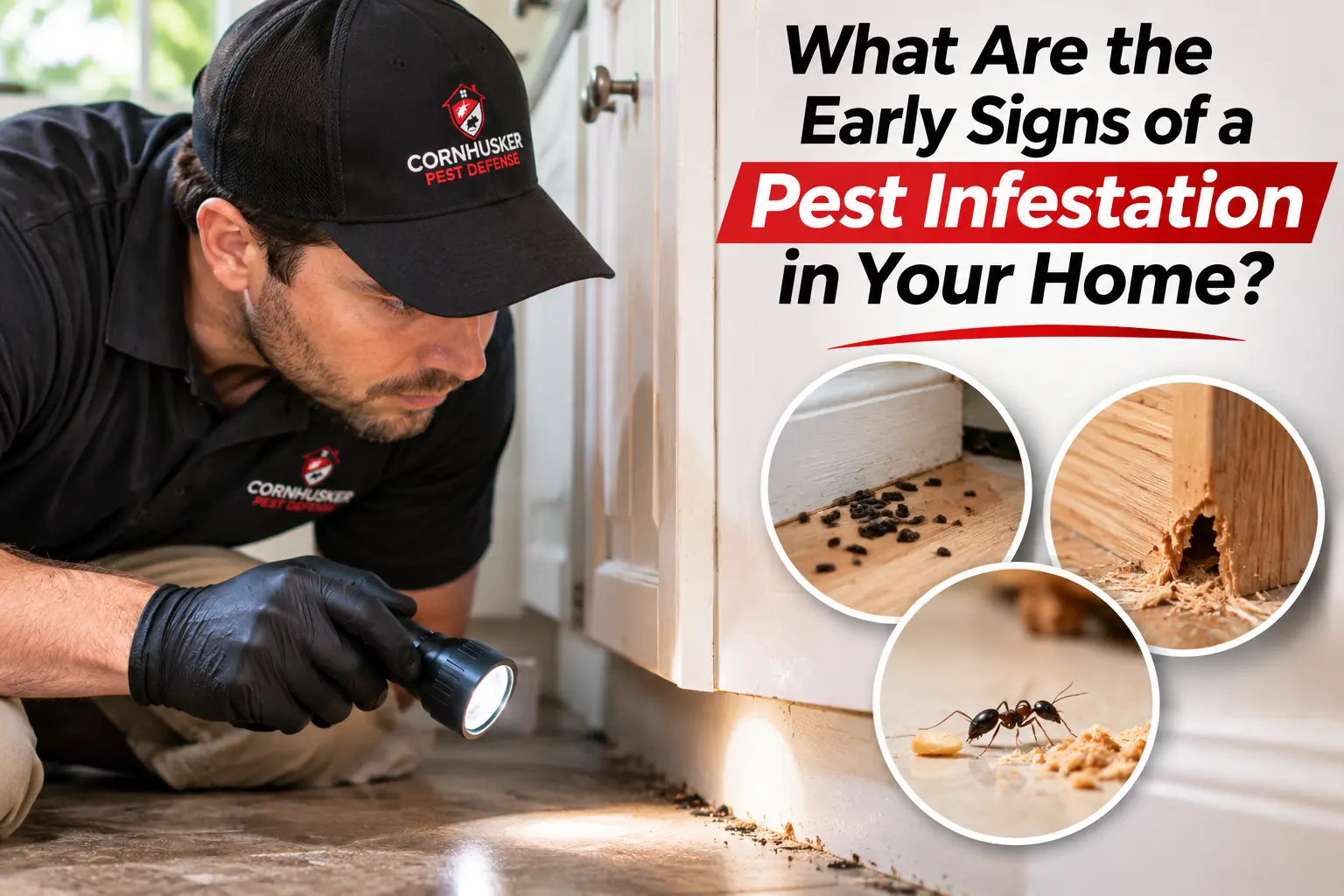
The early signs of pest infestation include small droppings in cabinets, holes in food packages, scratching noises inside walls, insect stains on bedding, and pests appearing regularly in the same places. You may also find shredded nesting materials, egg cases, or damaged wood. These signs can help you identify a pest problem before you see large numbers of insects or rodents. However, one unusual mark or occasional insect does not always mean your home has an infestation.
Knowing what each sign looks like and where to check can help you take the right action. Below are the most common warning signs, along with simple ways to inspect your home and deal with suspected pest activity.
Common Early Warning Signs of a Pest Infestation
Different pests leave different signs. Mice and rats may leave droppings or damaged food packages. Cockroaches can leave dark spots inside cabinets, while bed bugs may leave stains on mattresses. The following signs are worth checking around your home.
1. Droppings in Cabinets, Drawers, or Storage Spaces
Small droppings are a common sign of rodents and cockroaches. Mouse droppings usually look like small, dark grains of rice with pointed ends. Rat droppings are generally larger. Cockroach droppings may look like black pepper or small dark pellets, depending on the species.
You may find them beneath kitchen sinks, behind refrigerators, inside drawers, or near stored food. Fresh droppings appearing repeatedly in the same place suggest that pests are still using that location.
2. Holes in Food Packages and Damaged Household Items
Small holes in cereal boxes, torn rice bags, and tooth marks on plastic containers can indicate mice or rats. Rodents may also damage cardboard, furniture, insulation, and electrical wiring.
Check food packages that have been stored for several weeks. Look for irregular holes, scattered food, and small pieces of torn packaging. Damaged electrical wiring should be inspected by a qualified electrician rather than handled directly.
3. Scratching or Movement Sounds Inside Walls
Scratching, running, or scurrying sounds from the ceiling, attic, or walls may indicate rodents. These sounds are often easier to hear at night when the house is quiet. Pay attention to the location and frequency of the noise. For example, repeated scratching above the same room may suggest activity in the attic. Sounds alone cannot confirm a pest infestation, so check for other evidence before deciding what is responsible.
4. Unusual Smells in Enclosed Spaces
A strong urine-like smell in a cabinet, attic, or storage room may be associated with rodents. Large cockroach infestations can also produce a noticeable unpleasant odor. However, strange smells can come from plumbing problems, damp materials, or spoiled food. Check the surrounding space for droppings, insects, or nesting materials before assuming pests are the cause.
5. Shed Skins, Egg Cases, and Insect Remains
Cockroaches leave shed skins as they grow. Their egg cases are small, capsule-shaped objects that may appear behind appliances or inside sheltered cracks. Bed bugs also shed their skins. These are pale, empty coverings that resemble the shape of the insect. You might find them around mattress seams, bed frames, or upholstered furniture. Repeatedly finding these materials in the same location can indicate ongoing insect activity.
6. Dark Stains on Mattresses and Furniture
Tiny black or dark brown spots around mattress seams, headboards, and bed frames can be signs of bed bugs. These spots may be insect droppings. Small reddish stains on sheets can also occur when bed bugs are crushed. Inspect the seams, folds, and joints of the bed carefully. A stain alone does not confirm bed bugs, and skin bites are not enough to identify an infestation.
7. Wood Shavings or Small Holes in Wooden Structures
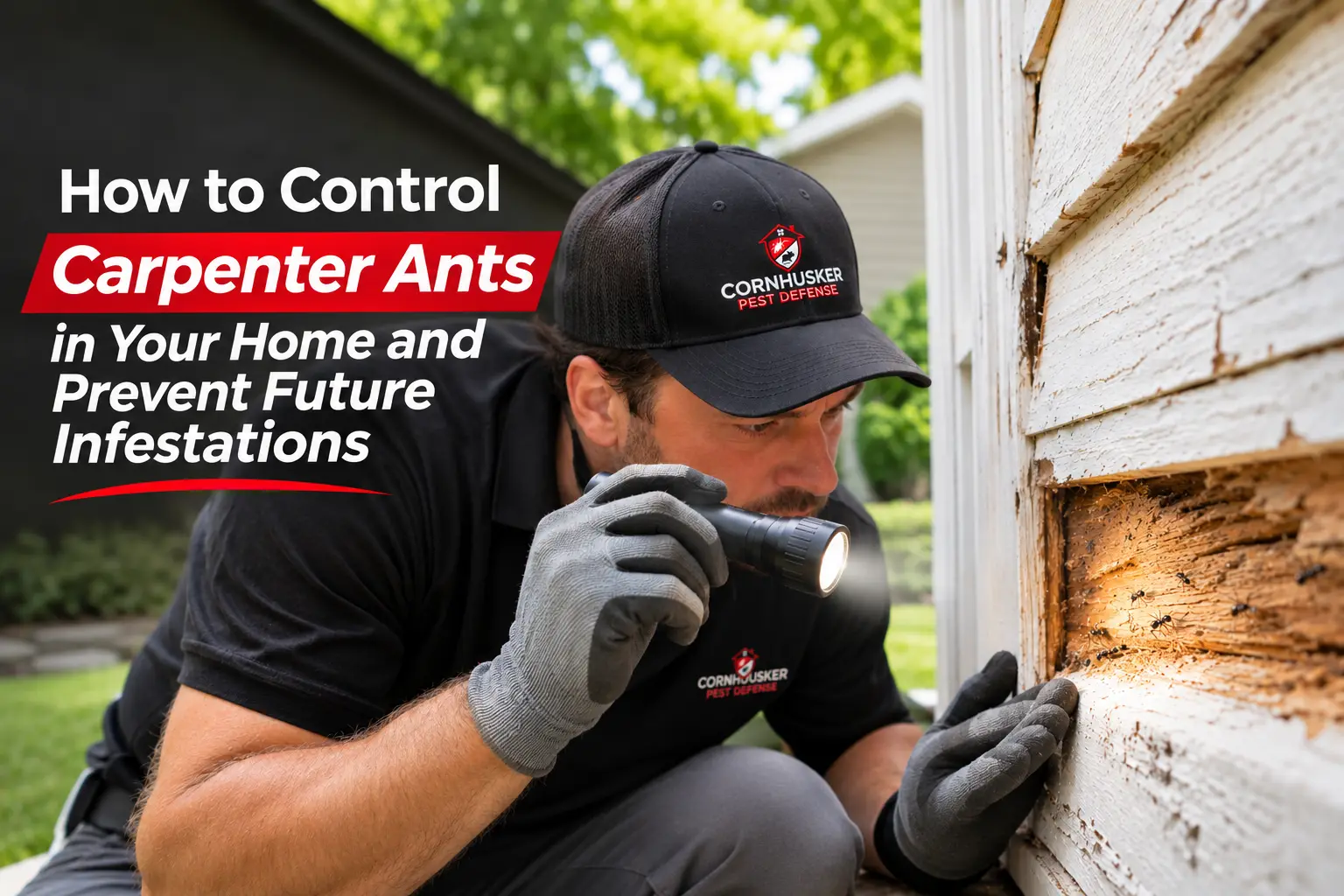
Small piles of coarse wood shavings beneath window frames, wooden doors, or beams may indicate carpenter ants. These ants remove wood to create nesting spaces. Other wood-damaging insects may leave small exit holes or fine powder near affected wood. Because the signs vary by insect, identifying the actual pest is important before treatment.
8. Shredded Paper, Fabric, or Insulation
Mice and rats use soft materials to build nests. Small piles of shredded paper, fabric, cardboard, or insulation may be found behind appliances, in garages, or inside storage spaces. Loose material does not automatically mean rodents are present. Look for nearby droppings, gnaw marks, or other evidence.
9. Repeated Insect Sightings and Ant Trails
A few ants near an open window may have entered from outside. A continuous trail of ants across a kitchen counter, however, can suggest an established route between a nest and a food source. Other warning signs include cockroaches regularly appearing at night or small beetles and larvae inside dry food packages. Repeated sightings are more useful than a single observation because they help identify where pests are active.
Where to Look for Hidden Pest Activity in Your Home
Many household pests stay in dark, narrow, or rarely disturbed spaces. Checking these locations can help you find evidence that is not visible during everyday cleaning.
Kitchen and Pantry
Start beneath the sink, inside lower cabinets, and behind accessible appliances. Check the corners of drawers and the backs of shelves. Open stored food packages and look for small insects, damaged packaging, or loose food particles. Check pet food containers as well.
Bedrooms and Living Rooms
Inspect mattress seams, headboards, bed frames, and the edges of upholstered furniture when bed bugs are suspected. Look around baseboards, window frames, and spaces behind furniture for insects or other unusual marks. Use a flashlight to examine narrow gaps without pulling apart furniture unnecessarily.
Attic, Basement, and Garage
Check accessible storage spaces, shelving, and locations around utility pipes. Look for nesting materials, damaged boxes, and gaps that connect to the outdoors. Avoid entering unsafe spaces or disturbing suspected rodent contamination. Areas containing extensive droppings or damaged insulation may require professional attention.
Doors, Windows, and Exterior Walls
Inspect damaged door seals, window screens, and openings around pipes or cables. Outside, look for standing water, rotting wood, and vegetation touching the house. These conditions can provide access or suitable hiding places for pests.
What to Do After Finding Signs of an Infestation
Finding evidence is the first step. The next step is identifying the pest and deciding what needs attention. Avoid applying random pesticides before you know what you’re dealing with, since products designed for one pest may not work against another.
Identify the Pest and Document the Evidence
Try to identify the insect or rodent using its appearance and the evidence it leaves behind. If you see an unfamiliar insect, take a clear photograph.
Record where the evidence appears and whether it is new or recurring. Useful details include:
- The room or exact location
- The date you noticed the evidence
- Any insects or rodents seen nearby
- New damage, stains, or droppings
- Whether activity occurs during the day or at night
For example, dark marks on bedding should lead you to inspect the bed and nearby furniture. Droppings inside a pantry should lead you to examine stored food and accessible gaps around the cabinets.
If you’re unable to identify the pest, keep the photographs and ask a qualified professional for help. Correct identification helps prevent unnecessary treatment.
Remove Food Sources, Moisture, and Entry Points
After identifying possible pest activity, correct the conditions that may be supporting it. Keep food in sealed containers, clean spills, and remove food waste regularly. Avoid leaving pet food exposed overnight, especially if you’ve noticed ants or rodents near feeding areas. Check plumbing fixtures for leaks and repair damaged pipes or dripping faucets.
Damp conditions can attract cockroaches and provide suitable nesting locations for certain ants. Inspect gaps around doors, windows, and utility openings. Seal appropriate cracks once you’ve confirmed that doing so will not trap active animals inside the building. Outside the house, keep garbage containers closed and remove unnecessary piles of cardboard or damaged wood. These measures can reduce pest access to food, water, and shelter. They may not eliminate an established infestation, but they can make further control easier.
Clean Affected Areas Safely
Use a cleaning method that matches the type of evidence you’ve found. Not every contaminated surface should be cleaned the same way.
Rodent droppings: Do not sweep or vacuum dry droppings. Wear gloves, wet the droppings with an appropriate disinfectant, follow the required contact time, and remove them according to CDC guidance.
Pantry pests: Throw away infested food in a sealed bag. Inspect nearby packages, clean the shelves, and store unaffected food in airtight containers.
Cockroach evidence: Clean accessible food preparation surfaces and remove food waste. Avoid disturbing suspected hidden nesting sites until the problem has been assessed.
Possible bed bugs: Avoid moving affected bedding or furniture into other rooms. Confirm the infestation and follow appropriate laundering and treatment instructions.
Do not mix cleaning chemicals or spray pesticides on food preparation surfaces unless the product label specifically allows that use. After cleaning, check whether new evidence appears. Continued activity may indicate an infestation that needs further attention.
Frequently Asked Questions
Does Seeing One Pest Mean You Have an Infestation?
No. A single insect may have entered through an open door or window. However, repeated sightings, droppings, nesting materials, or fresh damage can indicate an established pest problem.
Can You Have a Pest Infestation Without Seeing Any Pests?
Yes. Rodents, cockroaches, and bed bugs often hide in places that are difficult to inspect. Droppings, stains, damaged packaging, and shed skins may be the first visible evidence.
How Quickly Can a Small Pest Problem Become an Infestation?
It depends on the pest species, temperature, food availability, and nesting conditions. Some pests, such as German cockroaches, can reproduce quickly indoors. Early identification and appropriate control can help limit the problem.
Final Thoughts
Droppings, damaged food packages, unusual sounds, and repeated insect sightings can be early signs of a pest problem. Check where the evidence is coming from, look for possible hiding places, and address any food, moisture, or entry problems you find.
If the signs continue or you’re unsure which pest is responsible, getting professional pest control guidance can help you understand what needs attention in your Grand Island, NE, home before the problem gets worse.